
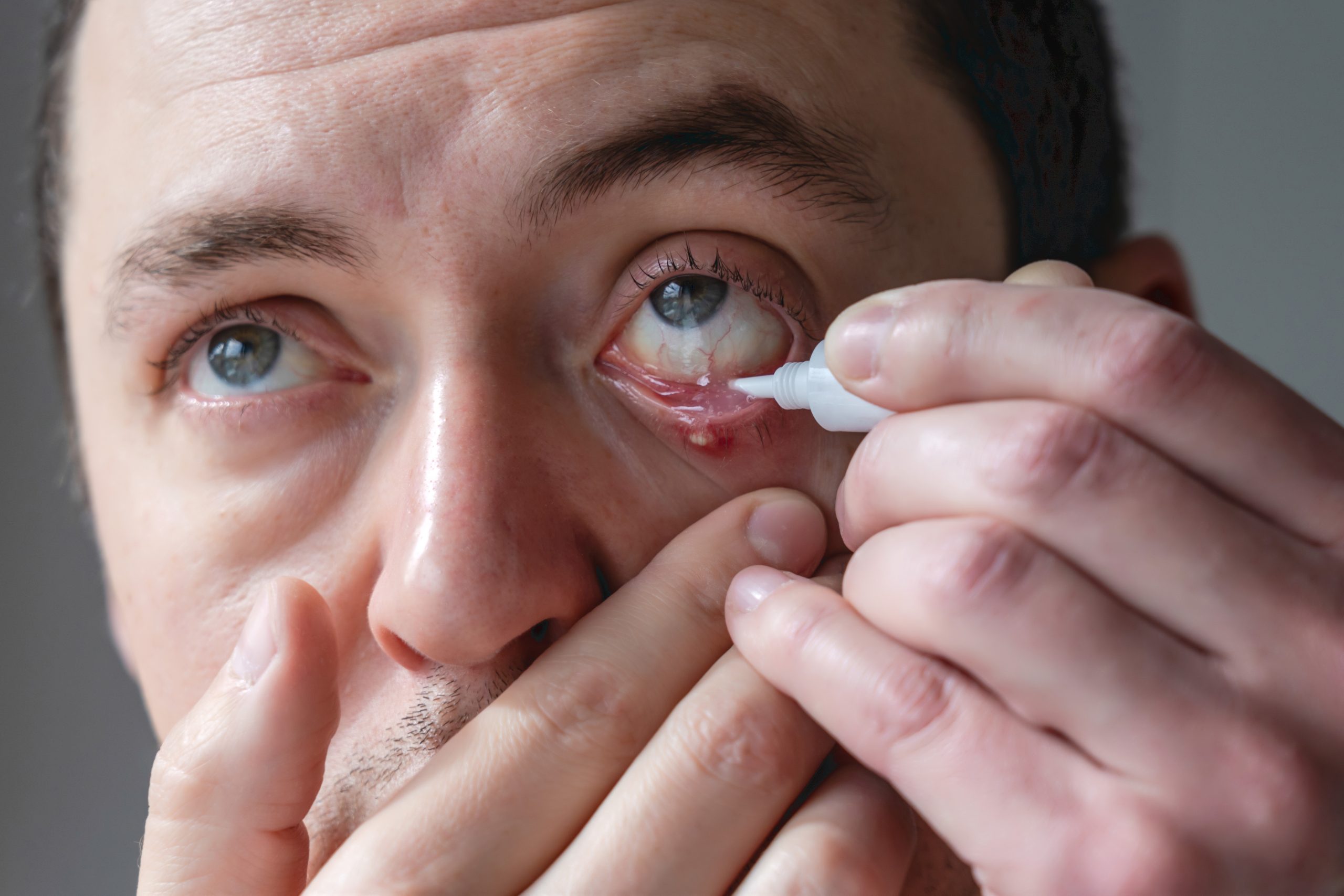
Diabetes is commonly linked to high blood sugar levels, but its effect on eye health is often overlooked. Many people living with diabetes do not realise that prolonged or fluctuating blood sugar can damage the eyes and, in some cases, lead to permanent vision loss. A key concern is that diabetic eye disease often develops silently, without early warning signs.
At Vasavi Hospitals, we frequently see patients delay eye examinations because their vision feels normal. Unfortunately, by the time symptoms such as blurred vision or reduced eyesight appear, the disease is often already advanced.
How Diabetes Affects the Eyes
Diabetes damages the smallest blood vessels in the body, including those supplying the eyes. This damage can lead to diabetic eye disease, which includes:
- Diabetic retinopathy
- Fluid buildup in the retina
- Bleeding inside the eye
- Abnormal growth of new blood vessels
- Early cataract formation
Both Type 1 and Type 2 diabetes can affect the eyes. Importantly, eye damage can occur even when blood sugar levels appear to be under control.

When Should Diabetic Patients Get Their Eyes Checked?
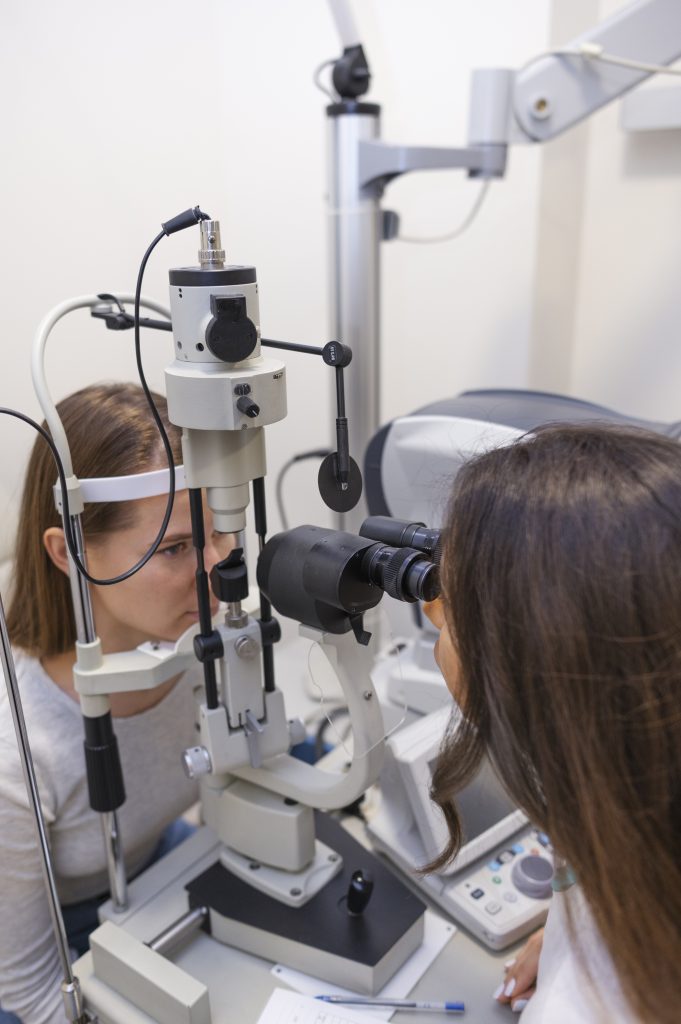
Regular eye screening is essential for early detection and prevention of vision loss:
- Every newly diagnosed diabetic patient should undergo a comprehensive eye examination immediately
- Patients on regular treatment or with borderline diabetes should have follow-up eye checks every six months, if no complications are detected
Early screening helps guide overall diabetes management, including medication and insulin adjustments
Understanding Diabetic Retinopathy
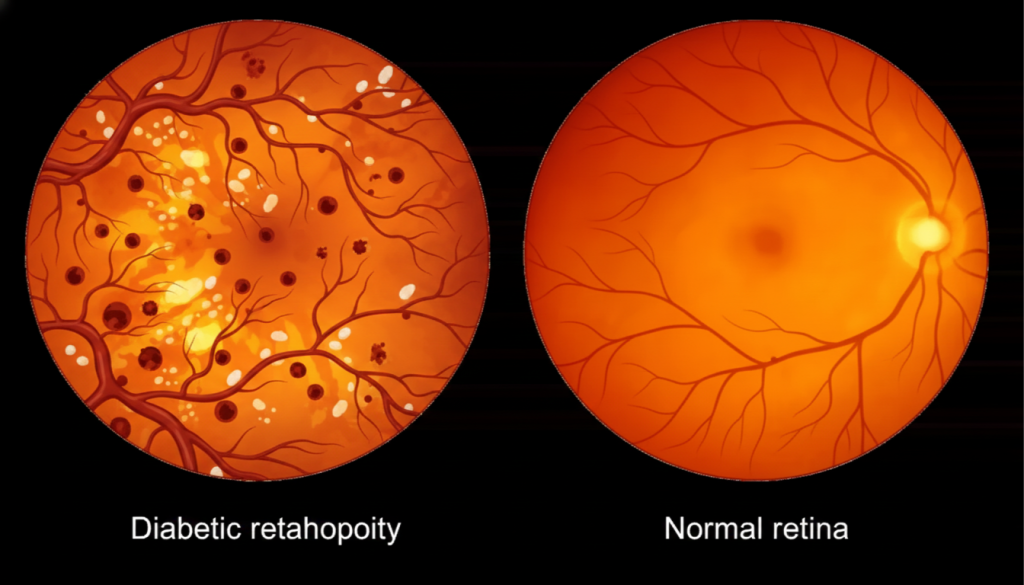
Diabetic retinopathy is classified into three stages:
- Mild: Early changes where strict blood sugar control can often reverse or stabilise damage
- Moderate: Progression of retinal vessel damage requiring close monitoring
- Severe: Growth of abnormal blood vessels that may pull on the retina, causing retinal detachment
Advanced stages may require:
- Anti-VEGF injections
- Laser treatment
- Surgical procedures such as vitrectomy
Timely treatment can prevent severe vision loss and, in many cases, restore sight.
Risks of Delayed Eye Care
Delaying eye examinations can lead to:
- Blurred or reduced vision by the time of diagnosis
- Cataracts developing earlier than in non-diabetic individuals
- Temporary changes in eye power due to fluctuating blood sugar levels
Patients may feel their spectacles are no longer effective. Changing glasses during unstable blood sugar levels can lead to incorrect prescriptions. Stable sugar levels are essential for accurate vision testing.
Making Eye Care Part of Diabetes Management
Clinical experience shows that almost every diabetic patient referred for screening has some degree of eye involvement. Regular eye examinations help:
- Detect eye changes early
- Prevent disease progression
- Preserve eyesight
Eye health is closely linked to overall diabetes management. Patients should:
- Follow dietary advice provided by their diabetologist or dietitian
- Maintain consistent blood sugar levels
- Attend regular eye check-ups
At Vasavi Hospitals, regular eye screening is strongly recommended as an essential component of diabetes management.
Conclusion
Diabetic eye disease is largely preventable when detected early. Because eye damage can occur without noticeable symptoms, regular eye examinations are essential for every individual living with diabetes. Timely screening, combined with good blood sugar control, plays a critical role in preserving vision and preventing irreversible sight loss.
Individuals with diabetes are encouraged to visit Vasavi Hospitals for a comprehensive eye evaluation and make routine eye care an integral part of their diabetes management.
Call Us: 080-71 500 500