
An ACL injury is one of the most common knee problems seen in young adults and athletes.
The Anterior Cruciate Ligament (ACL) is a strong band of tissue located in the center of the
knee. It connects the thigh bone to the shin bone and plays a crucial role in maintaining stability
during walking, running, jumping, and sudden direction changes.
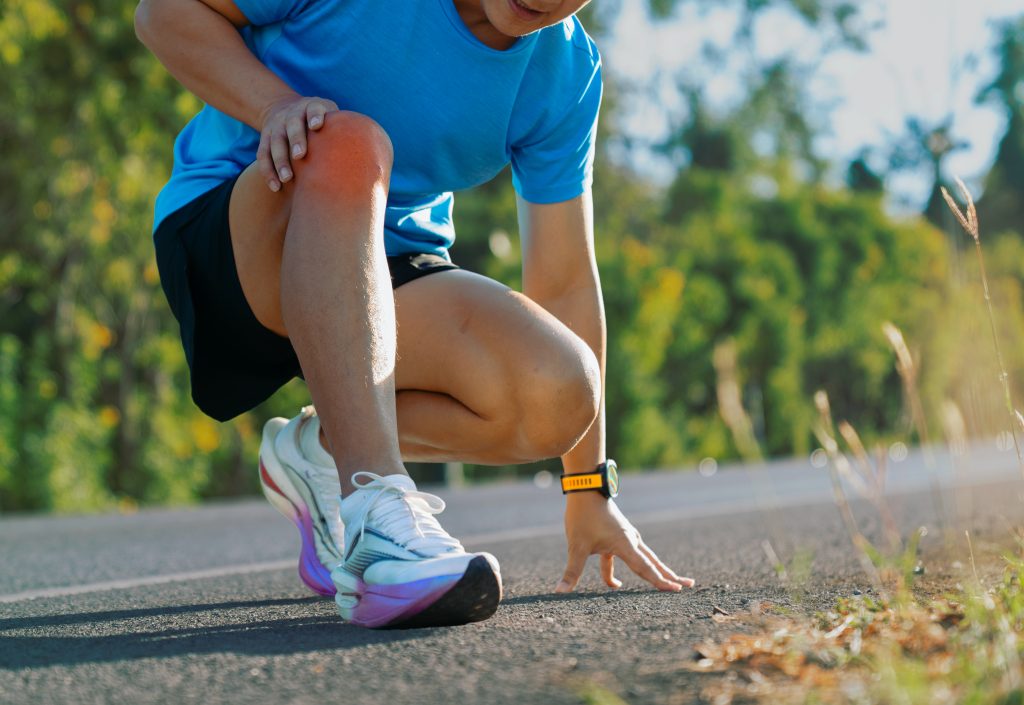
When this ligament tears, the knee loses stability. Many patients describe hearing a “pop” at the
time of injury, followed by swelling and difficulty moving the knee. Although some individuals can
still walk, they often feel that the knee may “give way,” especially during fast movements.
Causes and Symptoms
ACL tears usually occur during sports activities that involve sudden twisting, rapid direction
changes, or incorrect landing after a jump. They may also happen due to road traffic accidents
or falls.
Typical symptoms include:
- Sudden swelling of the knee
- Pain while putting weight on the leg
- Difficulty bending or straightening the knee
- A feeling of instability
An orthopedic examination combined with an MRI scan confirms the diagnosis and helps
determine the extent of the injury.
What Is ACL Reconstruction?
ACL reconstruction is a surgical procedure performed to restore knee stability. Instead of
repairing the torn ligament, surgeons replace it with a tissue graft. This graft may be taken from
the patient’s hamstring tendon or patellar tendon, and in selected cases, from a donor.
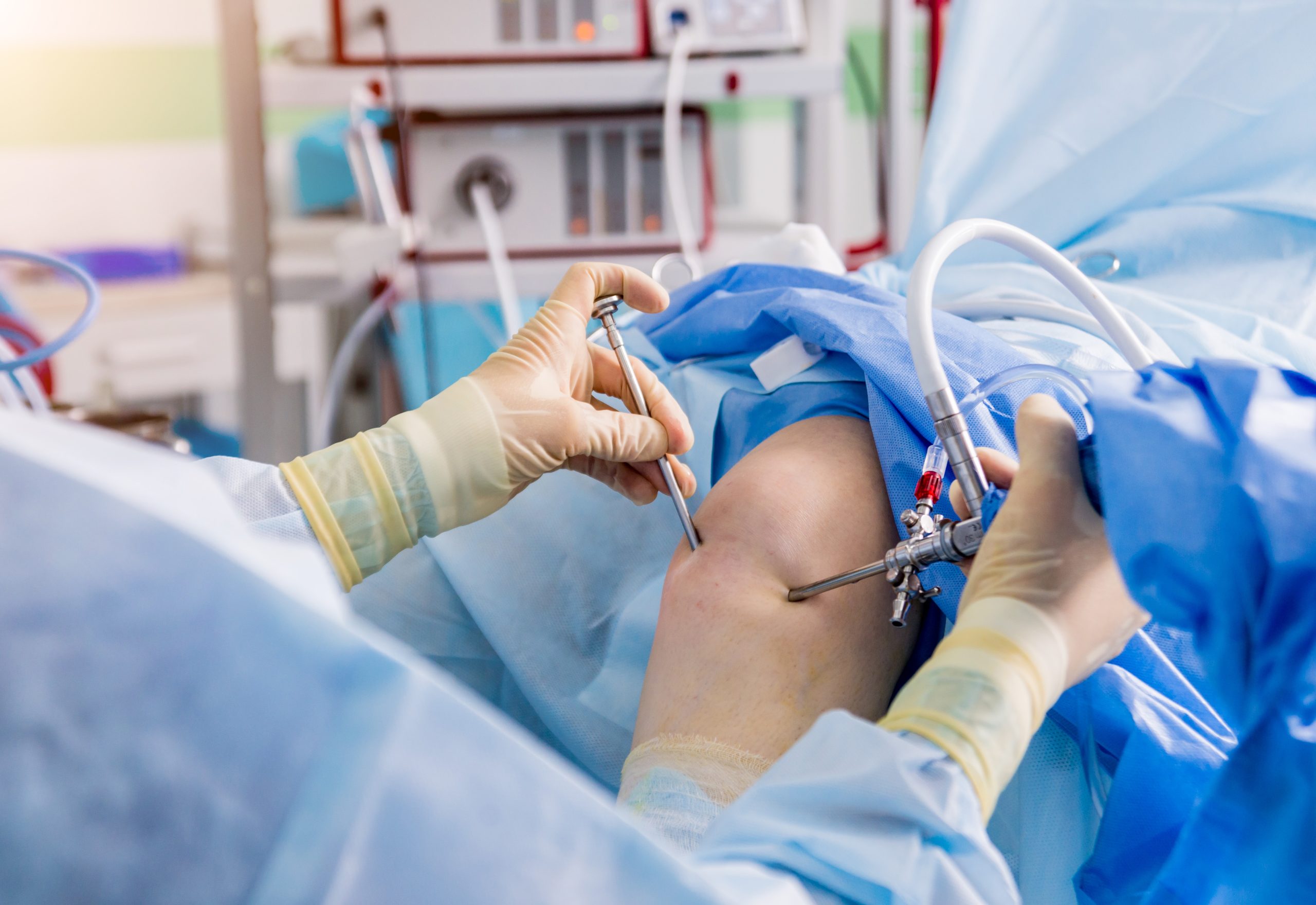
The surgery is usually done arthroscopically using small incisions and a camera. This minimally
invasive approach reduces post-operative pain, shortens hospital stay, and allows earlier
rehabilitation. Over time, the graft integrates with the body and functions like a natural ligament.
Surgery is generally recommended for young, active individuals, athletes, or patients who
experience repeated instability. Without proper treatment, ongoing instability can damage
cartilage and increase the risk of early knee arthritis.
Physiotherapy After ACL Reconstruction:
Why It Is Essential
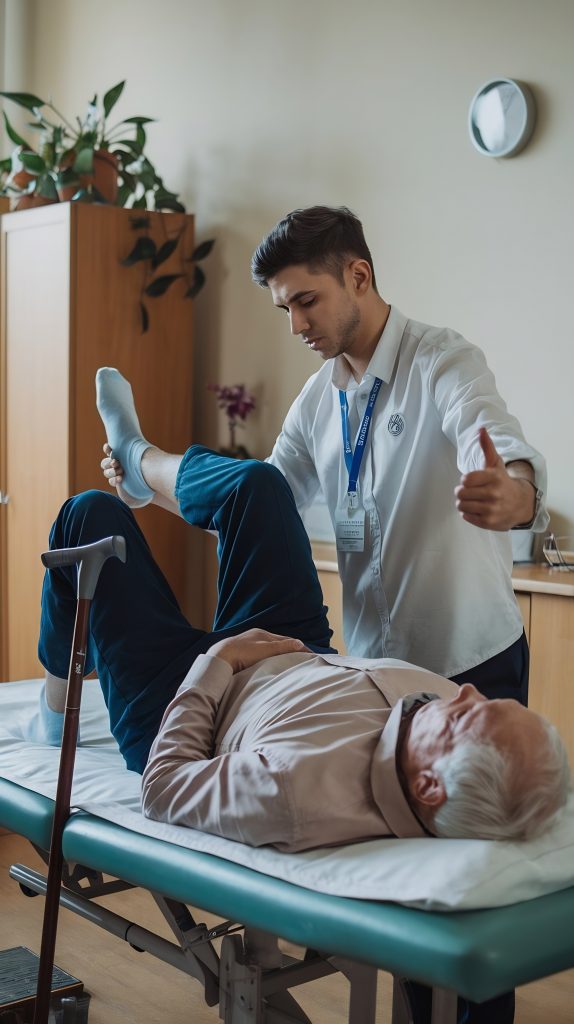
Surgery alone does not complete the treatment. Physiotherapy is equally important for restoring
strength, flexibility, and confidence in the knee.
Rehabilitation usually begins within a few days after surgery. Initially, the focus is on reducing
swelling and regaining gentle movement. Gradually, strengthening exercises are introduced to
rebuild the quadriceps and hamstring muscles, which are essential for knee stability.
Recovery progresses in stages. In the early weeks, exercises aim to restore range of motion.
Over the next few months, structured strengthening and balance training are introduced. Return
to sports is usually considered only after six to nine months, once strength and stability are fully
restored.
The main goals of physiotherapy are:
- To regain full knee movement
- To rebuild muscle strength
- To restore balance and coordination
- To reduce the risk of re-injury
Patients who follow a disciplined rehabilitation program generally achieve excellent outcomes.
Can ACL Tears Be Managed Without Surgery?
In some cases, especially in individuals who are not involved in high-impact activities,
physiotherapy alone may help strengthen surrounding muscles and reduce instability. However,
in complete ACL tears where the knee repeatedly gives way, reconstruction surgery combined
with rehabilitation offers better long-term results.
Long-Term Outlook
With modern surgical techniques and structured rehabilitation programs, most patients regain
normal knee function and return to an active lifestyle. Early diagnosis and expert orthopedic
care play a key role in successful recovery.
With modern surgical techniques and structured rehabilitation programs, most patients regain
normal knee function and return to an active lifestyle. Early diagnosis and expert orthopedic
care play a key role in successful recovery.