

Total Hip Replacement (THR) is a highly effective surgical procedure performed to relieve
severe hip pain and restore mobility when the hip joint becomes damaged beyond repair. It is
most commonly recommended for patients whose daily activities are significantly affected by hip
pain and stiffness.
The hip is a ball-and-socket joint that allows smooth and painless movement. When the
protective cartilage wears out or the joint is damaged, bones rub against each other, leading to
pain, inflammation, and restricted motion.
Common Causes of Severe Hip Damage
Several medical conditions can lead to the need for Total Hip Replacement. The most common
causes include:
- Osteoarthritis (age-related wear and tear of the joint)
- Rheumatoid arthritis (autoimmune joint inflammation)
- Avascular necrosis (loss of blood supply to the femoral head)
- Hip fractures, especially in older adults
- Congenital hip deformities
Among these, osteoarthritis is the leading cause, particularly in patients above 50 years of age.

Symptoms That May Indicate the Need for THR
Hip replacement is usually considered when symptoms become persistent and affect quality of
life. Patients commonly experience:
- Chronic hip pain that worsens with movement
- Pain radiating to the groin, thigh, or buttock
- Difficulty walking or climbing stairs
- Stiffness, especially in the morning
- Trouble sitting cross-legged or bending
- Pain even at rest or during sleep
When medications, injections, and physiotherapy no longer provide relief, surgical treatment
may be advised.
What Happens During Total Hip Replacement?
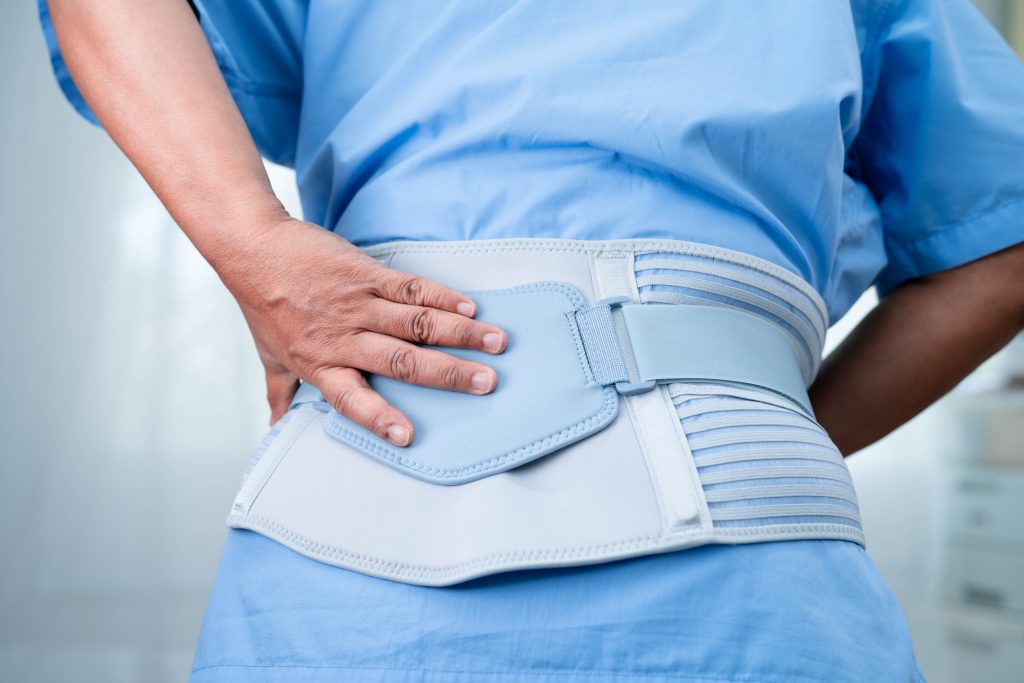
In Total Hip Replacement surgery, the damaged parts of the hip joint are removed and replaced
with artificial components.
The procedure involves replacing:
- The damaged femoral head with a metal or ceramic ball
- The worn-out socket with an artificial cup
These components create a smooth, stable joint that reduces pain and restores movement.
The surgery is usually performed under spinal or general anesthesia and may take 1–2 hours.
Modern techniques focus on precision, minimal muscle damage, and faster recovery.
Benefits of Total Hip Replacement
THR is one of the most successful joint replacement procedures in orthopedic surgery. Most
patients experience:
- Significant relief from long-standing pain
- Improved joint mobility
- Better walking capacity
- Improved sleep quality
- Enhanced overall quality of life
Modern implants are durable and can last 15–25 years or more with proper care.
Recovery After Hip Replacement
Recovery begins immediately after surgery. Patients are encouraged to sit and stand within a
day, depending on their condition.
During the first few weeks:
- A walker or walking stick may be required
- Mild swelling and discomfort are normal
- Gradual increase in walking distance is advised
Most patients resume daily activities within 4–6 weeks, while complete recovery may take a few
months.
Following precautions, such as avoiding extreme bending or twisting in the early phase, is
important to prevent dislocation.

Physiotherapy After Total Hip Replacement
Physiotherapy supports recovery after THR by strengthening muscles around the hip and
improving balance.
Early exercises focus on gentle movements to improve blood circulation and prevent stiffness.
Gradually, strengthening exercises are introduced to improve walking stability and
independence.
Most patients who follow a structured rehabilitation plan regain confidence in walking and return
to routine activities smoothly.
Long-Term Outlook
Total Hip Replacement provides long-lasting pain relief and improved mobility for most patients.
With proper lifestyle management, maintaining a healthy weight, and regular follow-up visits,
patients can enjoy an active and comfortable life for many years.
If hip pain is affecting your daily life and conservative treatments are no longer helping,
consulting an orthopedic specialist can help determine whether Total Hip Replacement is the
right option.