
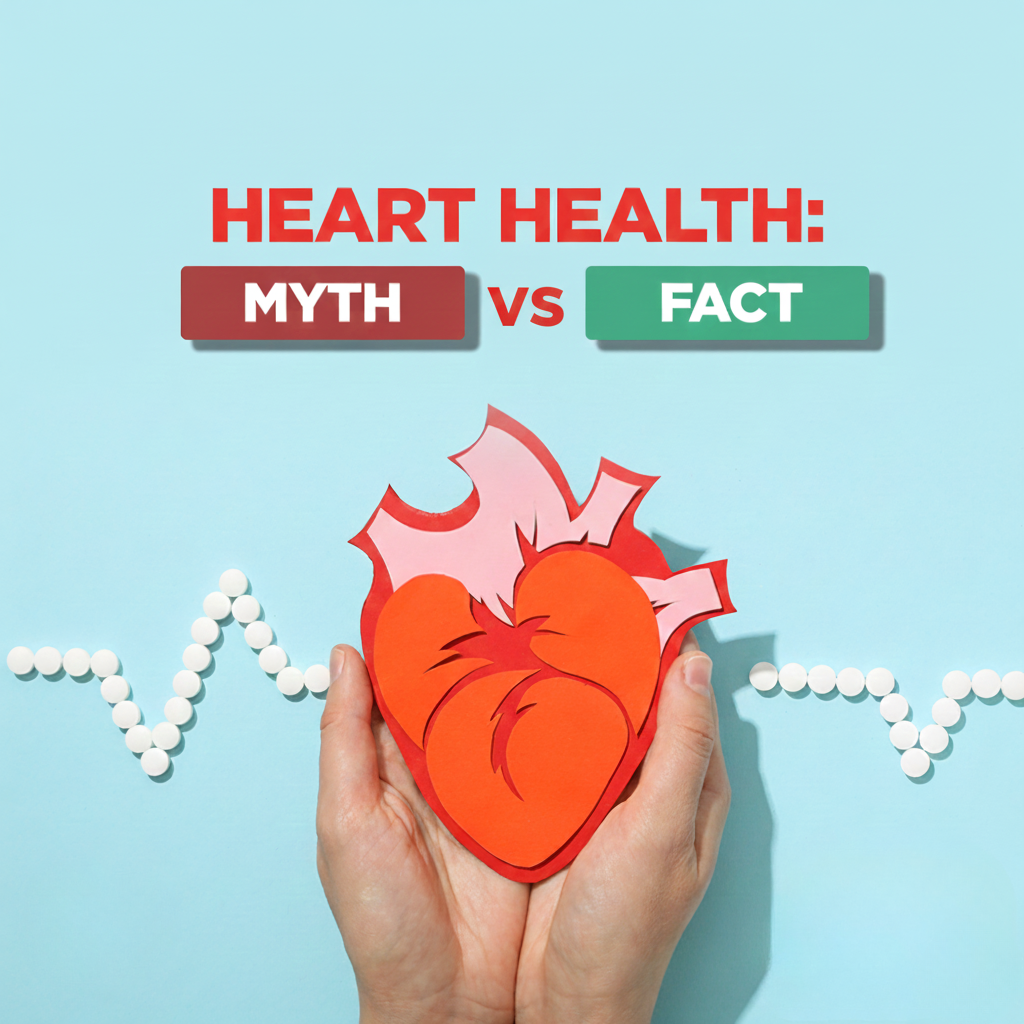
Heart disease remains one of the most significant health concerns worldwide, yet myths surrounding heart health continue to spread, often shaping how people think, react and care for their wellbeing. These misconceptions may seem harmless, but they can delay diagnosis, misguide lifestyle habits, and prevent timely treatment.
Understanding what is true – and what isn’t – is essential for protecting your heart. Here are some of the most common heart health myths, along with the medical facts that everyone should know.
Only Older People Get Heart Disease
Heart disease is often labelled as a condition affecting only seniors. However, lifestyle factors today – such as stress, poor diet, lack of activity, smoking and rising obesity – mean younger adults are increasingly being diagnosed with heart conditions.
Fact:
Heart disease can affect adults at any age. Starting heart-healthy habits early, along with regular check-ups, significantly reduces long-term cardiac risk.
If You Feel Fine, Your Heart Must Be Healthy
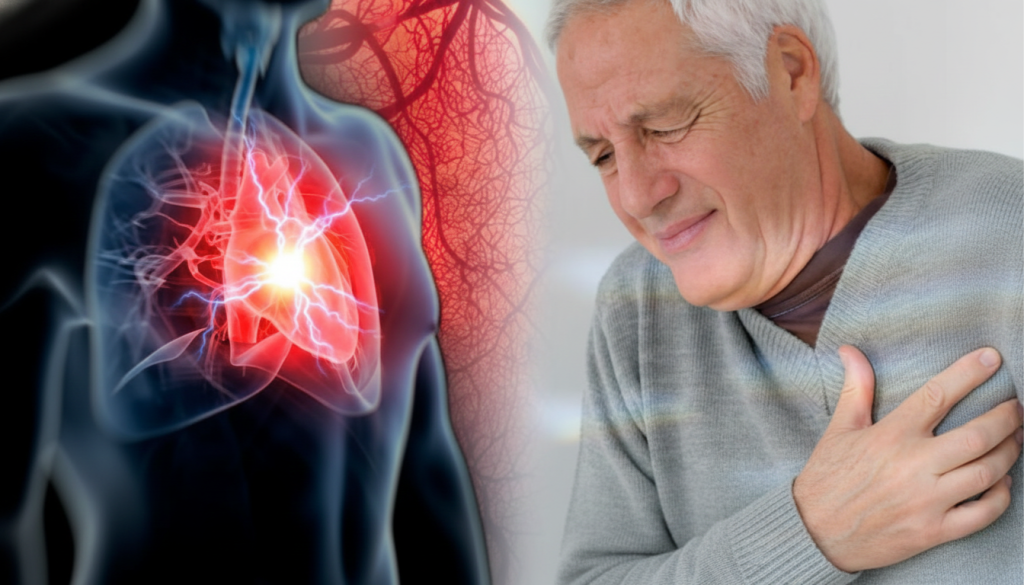
Many cardiac conditions, including high blood pressure and high cholesterol, have no symptoms in the early stages. People can feel completely normal yet have underlying heart damage.
Fact:
Silent risk factors make routine health screenings crucial. Regular monitoring of blood pressure, sugar, cholesterol, and ECG assessments can detect issues before symptoms appear.
Heart Disease Affects Men More Than Women
Although men are widely believed to be at higher risk, women face an equally significant risk of heart disease. Symptoms in women can also appear differently – such as dizziness, fatigue, palpitations or subtle discomfort.
Fact:
Heart disease is one of the leading causes of death in women. Women should monitor symptoms closely and seek prompt medical care.
Chest Pain Is the Only Warning Sign
Chest pain is a well-known symptom, but not the only one. Heart problems can also present with:
- Breathlessness
- Shoulder or arm pain
- Jaw discomfort
- Sweating
- Nausea
- Unusual fatigue
Fact:
Early cardiac symptoms are often subtle. Recognising these signs can lead to faster diagnosis and timely treatment.
Eating Fat Is Always Bad for the Heart

All fats are not the same. Healthy fats found in nuts, seeds, avocados and fish actually support heart health, while trans fats and excessive saturated fats increase risk.
Fact:
It’s the type of fat that matters. Including heart-friendly fats in a balanced diet helps maintain healthy cholesterol levels.
Exercise Is Unsafe for People With Heart Conditions
Some individuals avoid exercise out of fear it may put strain on the heart. In reality, structured physical activity enhances heart function and improves circulation.
Fact:
With medical guidance, most people with heart conditions benefit greatly from regular, moderate exercise. Avoiding movement may cause more harm.
Reducing Salt Doesn’t Make a Big Difference
Excess sodium is strongly linked to high blood pressure – a major risk factor for stroke and heart disease.
Fact:
Lowering salt intake, reducing processed foods, and reading nutrition labels effectively support healthy blood pressure levels.
Heart Disease Is Entirely Genetic
A strong family history can increase risk, but lifestyle factors play a much larger role.
Fact:
A healthy diet, exercise, avoiding smoking and managing stress can significantly reduce heart disease risk – even in people with genetic predisposition.
Medication Alone Is Enough to Protect the Heart
Many people rely solely on medication for blood pressure or cholesterol and skip lifestyle changes, assuming medicines alone are sufficient.
Fact:
Medication works best when combined with healthy habits such as proper diet, exercise, weight management, and regular monitoring.

Heart Problems Are Always Sudden and Dramatic
Movies often show heart attacks as sudden collapses. However, real-life cardiac symptoms may develop gradually and quietly.
Fact:
Heart disease is mostly progressive. Mild symptoms like breathlessness, fatigue or chest tightness should never be ignored.
What Truly Protects Your Heart: Practical, Science-Backed Tips
To maintain long-term cardiac health:
- Eat a balanced diet rich in fruits, vegetables, whole grains and healthy fats
- Engage in at least 150 minutes of moderate physical activity weekly
- Monitor blood pressure, cholesterol and sugar regularly
- Avoid smoking and limit alcohol
- Maintain a healthy weight
- Practise stress-relief habits such as sleep, breathing exercises or yoga
Heart health is shaped more by everyday choices than by age or family history alone.
Cardiology Care at Vasavi Hospitals
The Cardiology Department at Vasavi Hospitals provides comprehensive evaluation and treatment for heart-related symptoms and risk factors. From routine cardiac screening to the management of high blood pressure, cholesterol disorders, chest pain and rhythm disturbances, specialists offer evidence-based care tailored to individual needs.
For concerns such as persistent fatigue, breathlessness, palpitations, chest discomfort, or elevated risk factors, you can book an appointment with our expert cardiologists for timely assessment and guidance.
Call Us: 080-71 500 500