

Winter creates a completely different environment for your lungs. The air becomes colder and drier, homes remain closed for longer hours, heaters run continuously, and people naturally shift to indoor routines. While these habits seem harmless, they silently affect how your lungs function – especially for individuals with asthma, bronchitis, COPD, allergies or weakened immunity.
Cold weather thickens mucus, narrows the airways, and increases the spread of viruses. Even healthy individuals may feel breathlessness, chest tightness, a lingering cough, or throat dryness during winter. Understanding these subtle winter triggers can help you protect your respiratory health and prevent complications.
Here’s a closer look at the everyday winter habits that place additional stress on your lungs – and simple changes that can help minimize their impact.
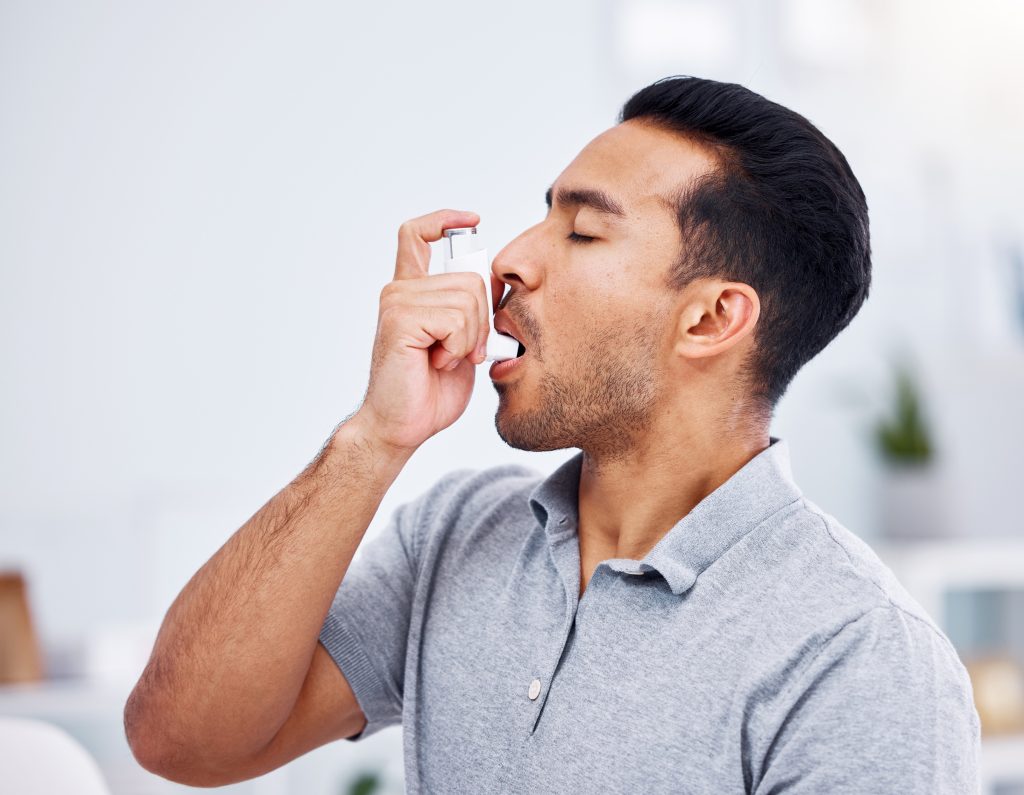
Breathing Through the Mouth in Cold Air
Cold winter air is naturally dry. When you breathe through your mouth, the air bypasses the natural warming, humidifying and filtering function of the nose.
This can lead to:
- Airway tightening (common in asthma)
- Dry throat and chest discomfort
- Cough and irritation
- Increased sensitivity in people with bronchitis
Protect your lungs:
Cover your nose and mouth with a scarf or mask when stepping outdoors. Practise nasal breathing to warm and humidify air before it reaches your lungs.
Staying Indoors With Poor Ventilation
Winter encourages people to keep windows closed, leading to stagnant indoor air. Without ventilation, pollutants build up in the environment, including:
- Dust mites
- Pet dander
- Indoor smoke and fumes
- Cooking particles
- Viruses and bacteria
Poor indoor air quality increases the risk of:
- Asthma attacks
- Sinus inflammation
- Bronchitis flare-ups
- Repeated throat infections
Protect your lungs:
Open windows for at least 10-15 minutes each morning. Use an air purifier or exhaust fan where possible, and regularly clean commonly used spaces.
Overusing Room Heaters

Heaters create warm, comfortable rooms – but they also dry the air excessively. Dry indoor air irritates the airway lining, making mucus thicker and harder to expel.
This contributes to:
- Wheezing
- Raspy breathing
- Persistent throat dryness
- Increased chest congestion
Protect your lungs:
Place a bowl of water in the room or use a humidifier to maintain balanced humidity.
Drinking Less Water Without Realising It
Winter naturally reduces thirst, but dehydration affects the lungs significantly. When the body lacks adequate fluid:
- Mucus becomes thick and sticky
- Breathing feels heavier
- The risk of chest infections increases
Protect your lungs:
Sip water regularly. Include warm liquids like soups, detox water and herbal teas.
Burning Candles, Incense or Firewood Indoors
Scented candles, incense sticks and wood-burning fireplaces release microscopic particles. These can trigger or worsen:
- Coughing
- Wheezing
- Bronchospasm
- Allergic reactions
Protect your lungs:
Limit indoor burning. Choose smokeless alternatives and keep spaces well-ventilated.
Using Unwashed Winter Clothing and Bedding
Blankets, sweaters and jackets stored for months accumulate dust, pollen and mites. When used directly in winter, they can irritate the lungs and trigger allergy symptoms.
Protect your lungs:
Wash and sun-dry winter wear and bedding before first use. Keep frequently used items dust-free.
Ignoring Early Cold or Flu Symptoms
Winter increases viral circulation. What begins as a mild cold can escalate into:
- Acute bronchitis
- Pneumonia
- Severe throat infections
- Worsening asthma or COPD
Protect your lungs:
Treat symptoms early. Seek medical advice if fever, wheezing or cough persists beyond a few days.

Exercising Outdoors in Very Cold Air
Cold air constricts the airways, making physical activity uncomfortable. This may trigger:
- Shortness of breath
- Chest tightness
- Exercise-induced asthma
- Coughing fits
Protect your lungs:
Warm up indoors first. Wear a scarf or mask to warm the air before inhaling.
Eating Heavy Winter Meals
Large meals, especially rich and fatty foods, push the stomach upward and limit lung expansion. This can worsen:
- Breathlessness
- Acid reflux
- Night-time coughing
Protect your lungs:
Choose smaller, balanced portions. Include seasonal vegetables and immunity-boosting foods.
Skipping Winter Vaccinations
Winter increases the risk of seasonal flu and pneumonia – both of which heavily impact lung health.
Protect your lungs:
Stay up to date with influenza and pneumococcal vaccines if recommended by your doctor.
Essential Tips to Keep Your Lungs Healthy This Winter
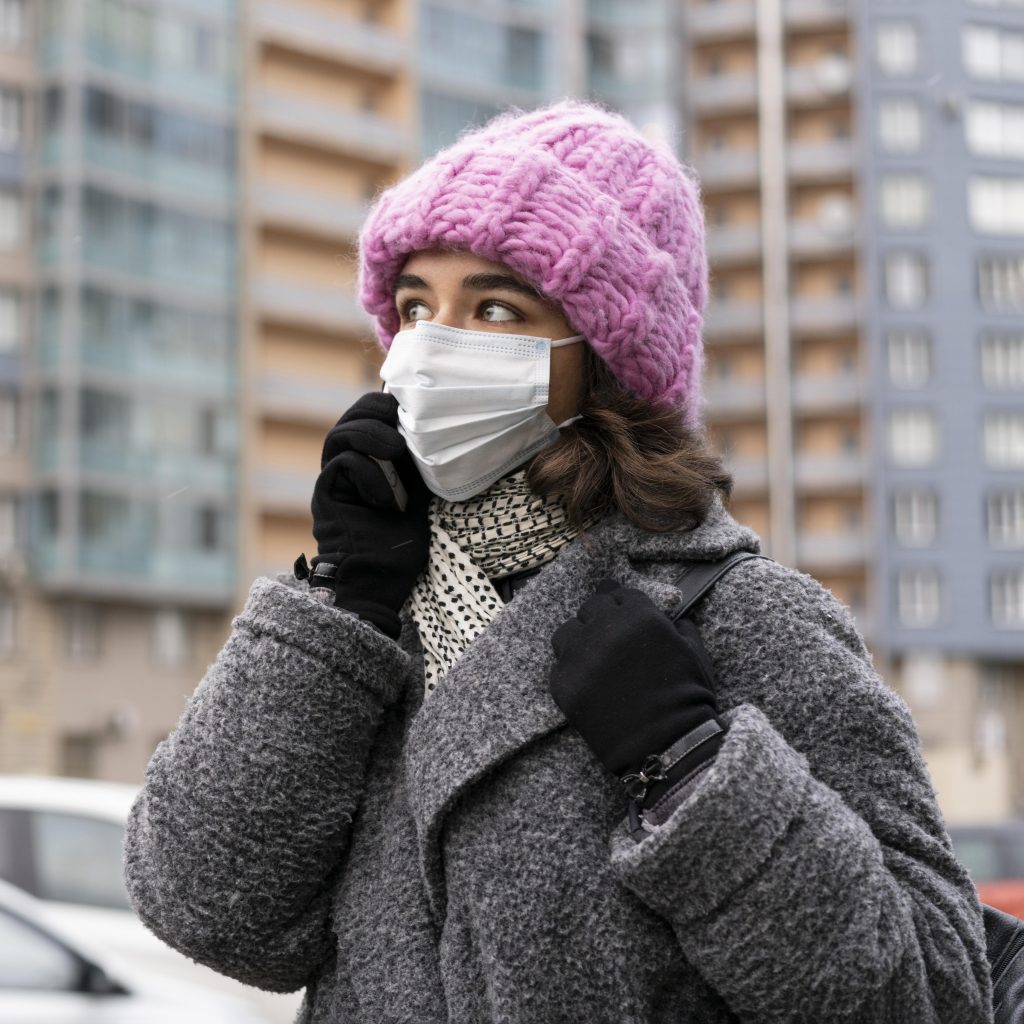
- Wear a scarf or mask outdoors in cold temperatures
- Keep home humidity balanced – not too dry, not too damp
- Maintain a clean, dust-free living environment
- Stay hydrated with warm, soothing drinks
- Avoid exposure to smoke, strong fragrances and pollution
- Eat foods rich in antioxidants and immunity boosters (citrus, ginger, garlic, greens)
- Monitor chronic lung conditions regularly
- Seek early evaluation if breathing becomes difficult
Winter Respiratory Care at Vasavi Hospitals: Expert Support for Lung Health
The Pulmonology Department at Vasavi Hospitals provides comprehensive care for winter-related breathing issues such as asthma, COPD, bronchitis, pneumonia, allergic airway disease and chronic cough. Our team uses advanced diagnostic tools and evidence-based treatments to help individuals manage symptoms effectively and maintain better lung health throughout the winter season.
Services include:
- Pulmonary Function Tests (PFT)
- High-resolution chest imaging
- Management of asthma and COPD
- Treatment for bronchitis, chest infections and allergies
- Evaluation and care for chronic cough and breathing discomfort
- Personalised treatment plans for respiratory conditions
For continued cough, congestion or breathing discomfort during winter, Book an appointment with our expert lung specialists for timely assessment and treatment.
Call Us: 080-71 500 500