
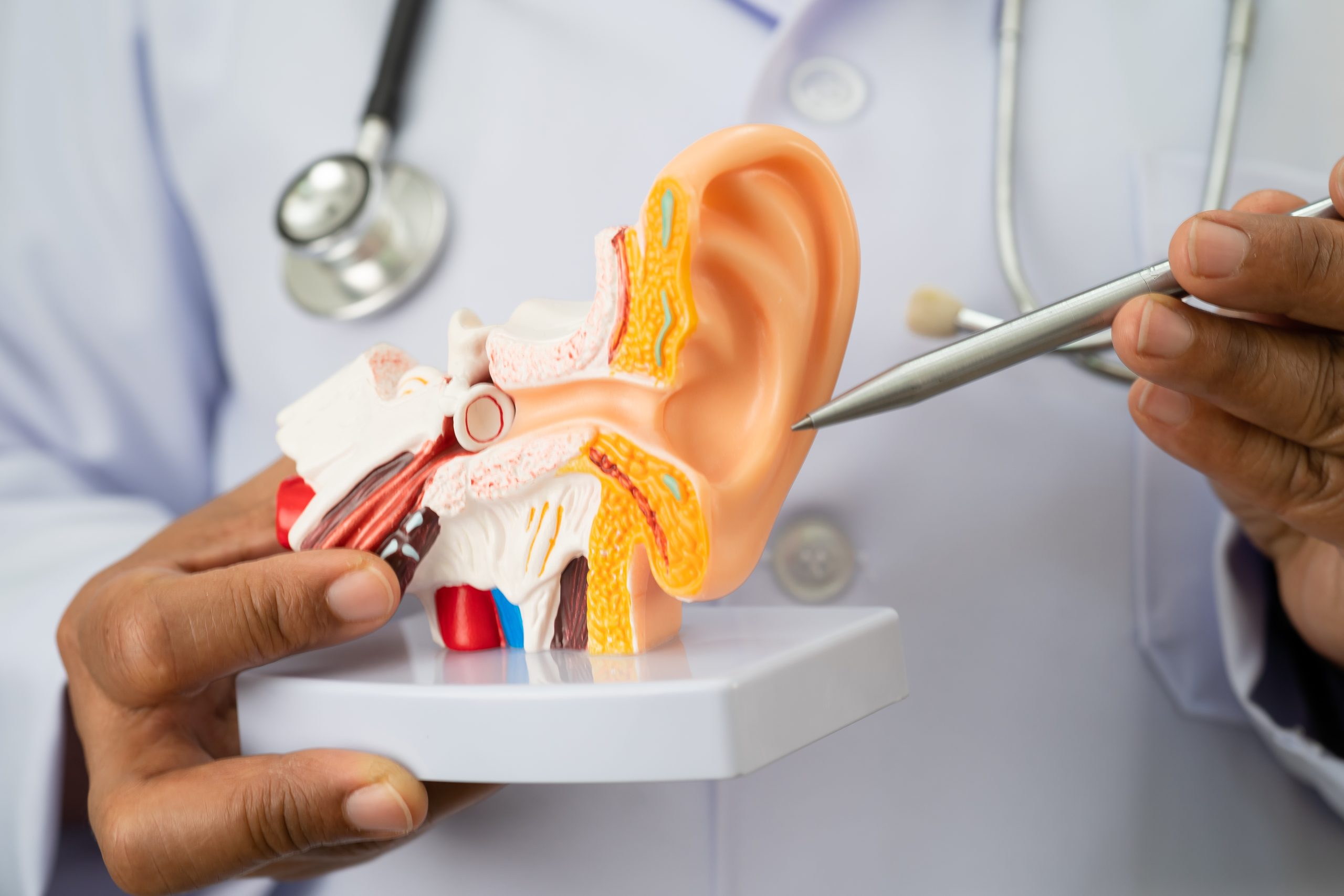
Winter is a time when many people begin to experience increased discomfort in the nose, throat and ears. Cooler temperatures, dry air, and seasonal fluctuations weaken the natural defences of the upper airway, making conditions like sinus congestion, sore throat, ear block and recurrent infections more common. Even in a city like Bengaluru, where winters are mild, the shift in climate is enough to trigger symptoms in those who are sensitive.
Understanding how winter affects the ENT system – and taking simple steps to protect it – can help you stay healthier throughout the season.
How Winter Affects the ENT System
1. Dry Air Irritates the Airways
Cold air contains very little moisture. When you breathe it in, the lining of the nose and throat becomes dry and less effective at trapping dust, viruses and bacteria. This often leads to:
- Irritation or burning sensation
- Stuffy nose
- Scratchy or dry throat
- Higher risk of infections
Hydrated nasal passages protect you better – but winter makes this harder to maintain.

2. Temperature Swings Cause Sudden Irritation
Moving from cold outdoor air into a warm room – or vice versa – strains sensitive tissues in the airways.
This sudden change triggers:
- Sneezing
- Short-term nasal blockage
- Throat discomfort
- Pressure around the forehead and eyes
These rapid shifts are one of the biggest reasons sinus issues worsen during winter.
3. Air Quality Declines During Winter
Cooler air tends to hold pollutants closer to the ground. Exposure to dust, smoke, and airborne irritants can worsen:
- Allergic rhinitis
- Chronic throat irritation
- Persistent cough
- Sinus congestion
For people with existing sinus or allergy conditions, this seasonal shift often makes symptoms more frequent.
4. Viral Infections Spread Easily

Winter also encourages the spread of viral infections such as viral sinusitis, common cold and flu. People tend to spend more time indoors, and close contact in shared spaces increases transmission. These infections commonly present as:
- Sore throat
- Blocked nose
- Fever
- Body ache
- Hoarseness
5. Ear Pain or Block Is More Common
Cold temperature and nasal congestion can affect the Eustachian tube – the passage that balances pressure between the ear and throat. When it doesn’t function smoothly, symptoms may include:
- Ear discomfort
- Fullness in the ear
- Mild hearing changes
- Popping sensations
Children experience these issues more easily due to narrower ear passages.
Common Winter ENT Symptoms
- Dry or sore throat
- Nasal congestion
- Blocked nose
- Sinus pressure or headaches
- Hoarse voice
- Ear block or discomfort
- Post-nasal drip
- Dry cough
- Recurrent cold-like symptoms
If these symptoms are persistent or recurring, specialist evaluation is advisable.

Safe & Effective Prevention Tips
Below are the prevention tips that ENT specialists consistently find effective for winter ENT care:
| Problem in Winter | Why It Happens | Prevention Tips That Actually Work |
| Nasal dryness & irritation | Low humidity dries nasal lining | • Drink warm water often • Use saline nasal spray • Add warm soups/teas to diet |
| Throat discomfort / sore throat | Dry air reduces moisture in throat | • Sip warm liquids • Avoid very cold foods/drinks • Use steam inhalation safely |
| Sinus congestion & headaches | Cold air + indoor dust trigger inflammation | • Do steam inhalation • Maintain clean indoor air • Avoid sudden temp changes |
| Ear block or ear pain | Eustachian tube becomes stiff in cold | • Cover ears outdoors • Avoid forceful blowing of nose • Stay hydrated |
| Increased infections (cold, sinusitis, throat infection) | Viruses survive longer in winter | • Wash hands frequently • Strengthen immunity • Maintain nasal hygiene |
| Allergy flare-ups | Indoor dust & pollutants accumulate | • Reduce dust at home • Avoid incense/sprays/smoke • Allow daytime ventilation |
When Should You See an ENT Specialist?
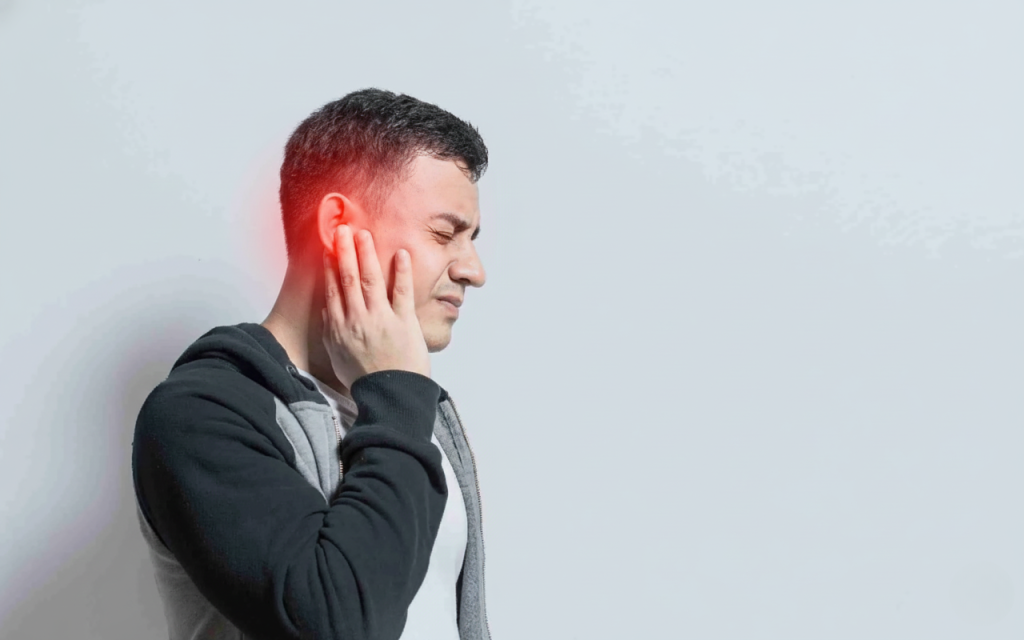
Consult an ENT expert if you experience:
- Throat pain lasting more than a week
- Persistent nasal blockage
- Recurrent sinus infections
- Ear pain, discharge or hearing difficulty
- Hoarseness for more than two weeks
- Sleep disturbance due to nasal obstruction
- Repeated episodes of cold-like symptoms
Early intervention ensures better recovery and prevents complications.
Comprehensive ENT Care at Vasavi Hospitals
At Vasavi Hospitals, our ENT department provides advanced, patient-centred care for a full range of ear, nose and throat conditions. Our specialists are experienced in diagnosing and treating winter-related ENT issues, including sinus infections, allergic rhinitis, tonsillitis, ear block, hearing problems and throat disorders.
We offer:
- Advanced nasal endoscopy for accurate diagnosis
- Allergy testing and personalised treatment plans
- Sinus imaging and evaluation using modern diagnostic tools
- Comprehensive care for ear infections and hearing concerns
- Expert management of throat and voice conditions
- Medical and minimally invasive treatment options
Our team ensures that every patient receives customised, evidence-based care aimed at restoring comfort, easing symptoms and preventing recurrence.
Whether you’re dealing with winter sinus trouble, persistent throat irritation or ear discomfort, the ENT specialists at Vasavi Hospitals are here to help you breathe, speak and hear with confidence all season long.
Call Us: 080-71 500 500