
Introduction
“Amma, is this normal?”
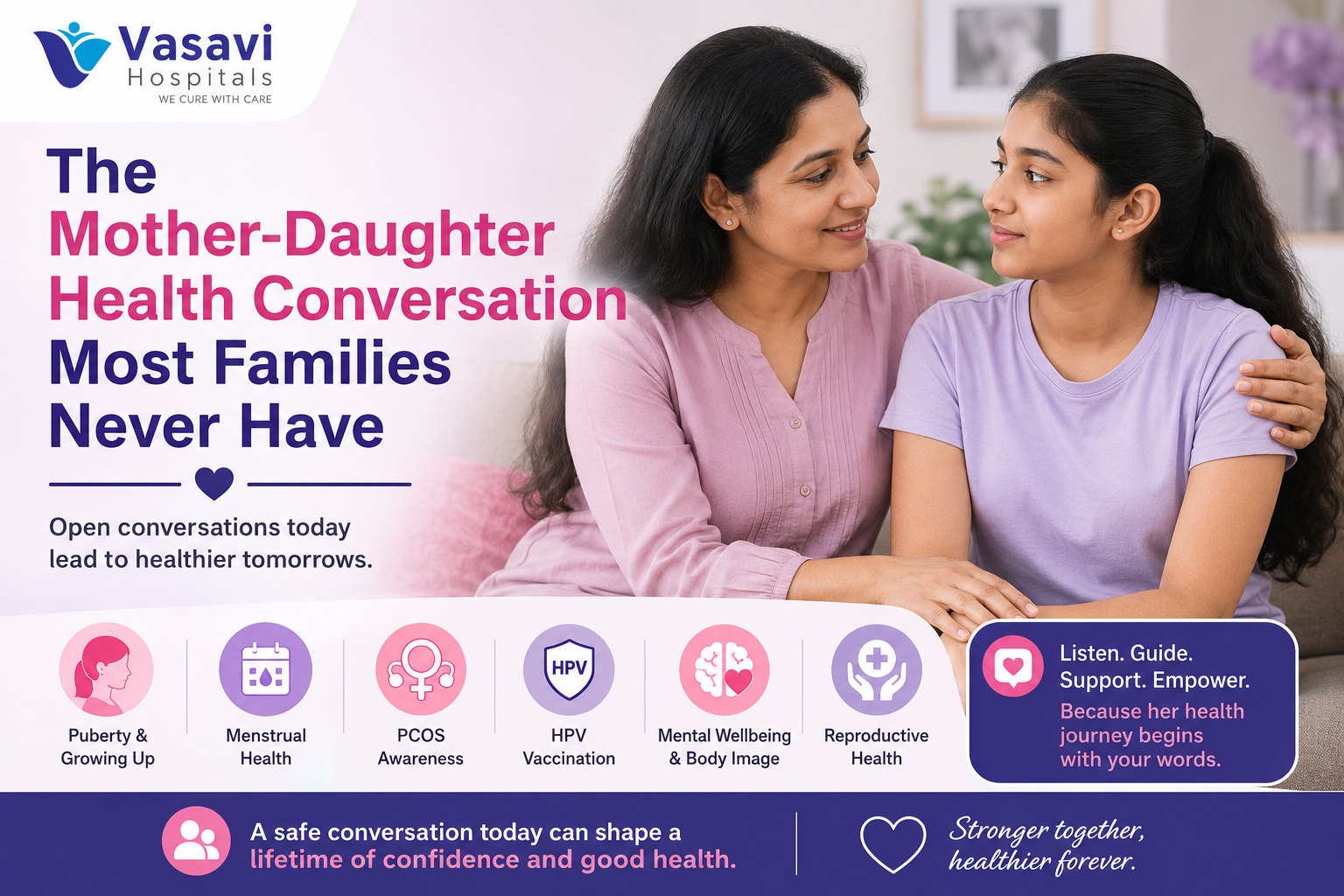
It may seem like a simple question, but for many girls, it is one of the most difficult questions to ask. Whether it is about the first menstrual cycle, severe period pain, sudden acne, weight gain, or changes during puberty, many young girls hesitate to discuss their concerns openly.
In many families, conversations about health often focus on physical illness, while important discussions about puberty, menstrual health, hormonal disorders, vaccination, and reproductive wellness are postponed or avoided altogether. Unfortunately, silence can sometimes delay the recognition of health issues that are easier to manage when identified early.
A mother’s guidance can play a crucial role in helping her daughter understand her body, recognize warning signs, and develop healthy habits that last a lifetime.
Why These Conversations Matter More Than Ever
Today’s adolescents are exposed to health information from social media, friends, influencers, and online forums. While some information is helpful, much of it can be inaccurate or misleading.
When mothers create a safe space for discussion, daughters are more likely to:
- Understand the changes occurring in their bodies
- Develop a healthy attitude towards menstruation
- Seek help for symptoms that require medical attention
- Make informed decisions about their health
- Feel confident discussing sensitive health concerns
Open communication can prevent confusion, fear, and unnecessary anxiety during adolescence.
Understanding Puberty: Preparing Girls for Physical and Emotional Changes
Puberty is a natural stage of development that typically begins between the ages of 8 and 13 years.
During this phase, girls may experience:
- Breast development
- Growth spurts
- Changes in body shape
- Increased sweating and body odor
- Emotional fluctuations
- The onset of menstruation
Many girls become anxious when these changes occur unexpectedly. Discussing puberty before these changes begin helps them understand that these developments are normal and healthy.
Menstrual Health: Beyond “It’s Just a Period”
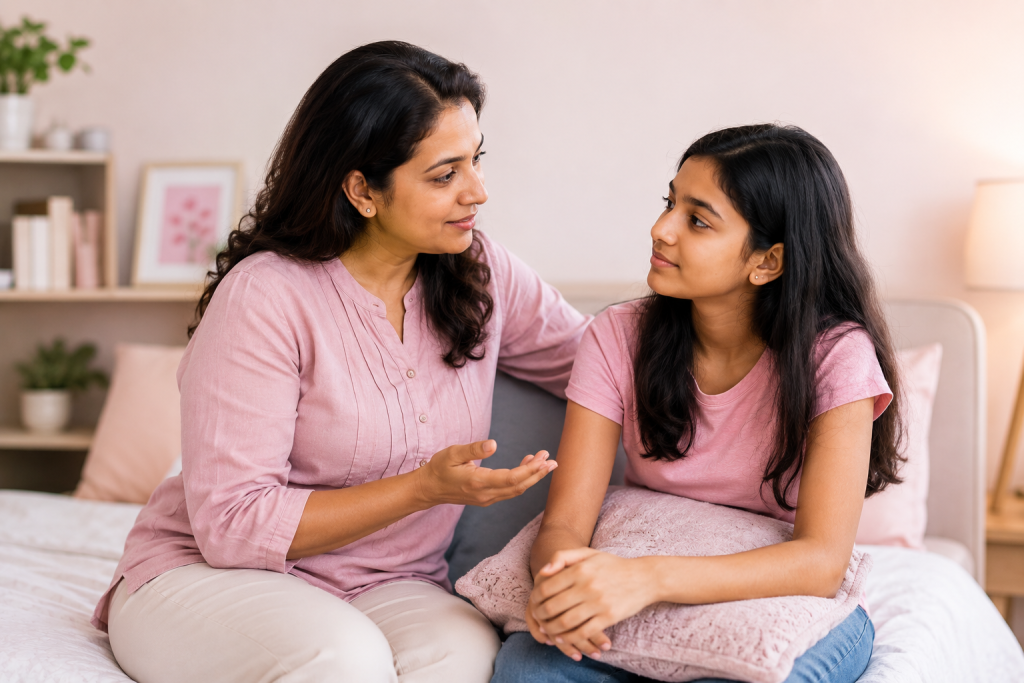
Menstruation is often the first major health-related topic that mothers discuss with their daughters. However, the conversation should go beyond explaining what a period is.
Girls should understand:
What Is Considered Normal?
- Menstrual cycles may initially be irregular
- Bleeding usually lasts between 3 and 7 days
- Mild discomfort may occur during periods
When Should Medical Attention Be Considered?
- Excessively painful periods
- Very heavy bleeding
- Bleeding lasting longer than seven days
- Irregular cycles that persist for several years
- Missed periods without explanation
Recognizing these symptoms early can help identify underlying conditions before they become more serious.
PCOS: A Growing Health Concern Among Young Women
One of the most common hormonal disorders affecting adolescent girls and young women is Polycystic Ovary Syndrome (PCOS).
Many girls assume that symptoms such as acne or weight gain are simply part of growing up, but they can sometimes indicate an underlying hormonal imbalance.
Common Signs of PCOS
- Irregular menstrual cycles
- Acne that persists despite treatment
- Excess facial or body hair
- Weight gain
- Difficulty losing weight
- Hair thinning
Why Early Diagnosis Matters
Early identification and management of PCOS can help reduce future complications, including fertility concerns, metabolic disorders, and long-term health risks.
The HPV Vaccine: A Conversation Every Family Should Have
While many mothers discuss periods and puberty with their daughters, fewer talk about preventive healthcare measures such as vaccination.
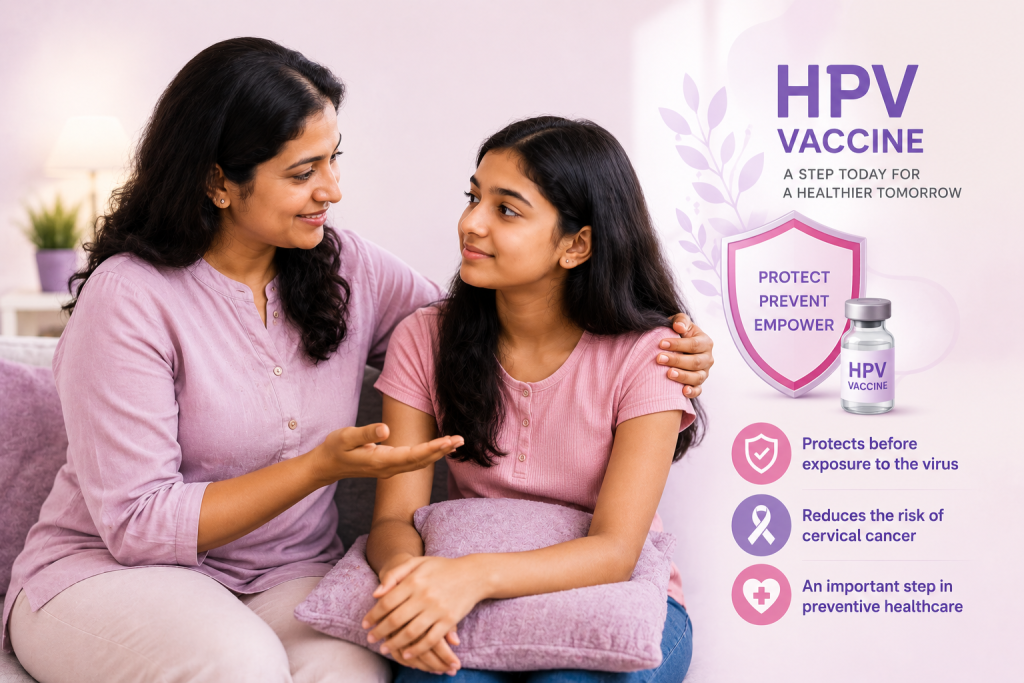
The Human Papillomavirus (HPV) vaccine helps protect against certain HPV infections that can increase the risk of cervical cancer later in life.
Why Is HPV Vaccination Important?
- It offers protection before exposure to the virus
- It significantly reduces the risk of cervical cancer
- It is an important step in preventive healthcare
Awareness about HPV vaccination remains limited in many communities, making parental education particularly important.
Reproductive Health Is Not Just an Adult Topic
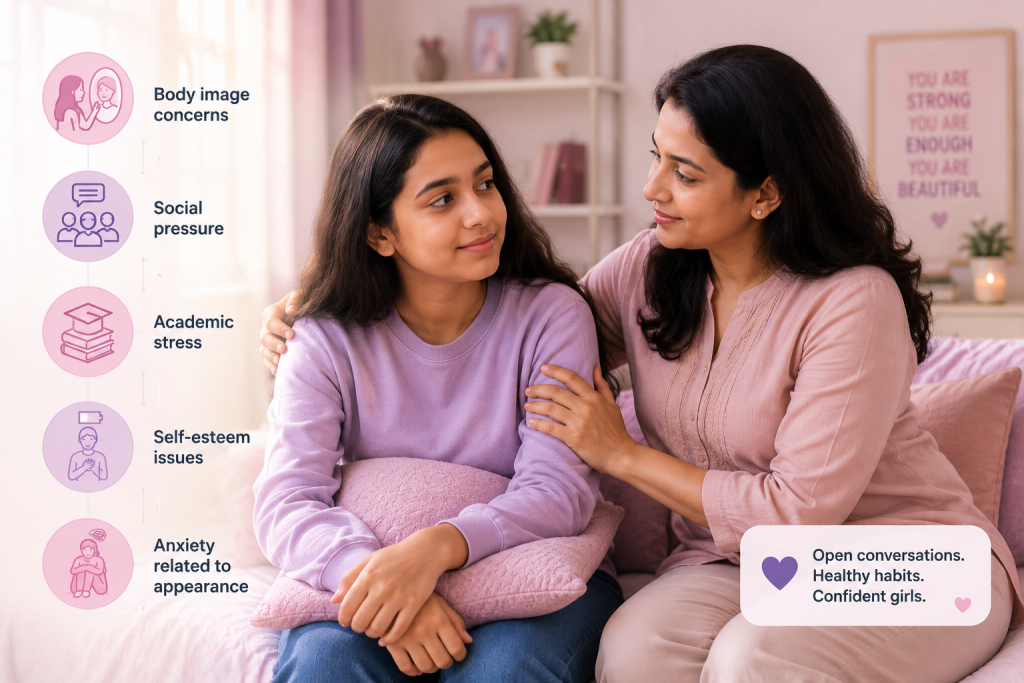
Many parents assume reproductive health discussions should wait until adulthood.
In reality, educating girls about their reproductive health early can help them:
- Understand their bodies
- Recognize abnormal symptoms
- Maintain menstrual hygiene
- Make informed health decisions
- Seek medical advice without hesitation
Knowledge empowers young women to take charge of their health.
Warning Signs Parents Should Not Ignore
Parents should consider consulting a healthcare professional if their daughter experiences:
- Severe menstrual pain
- Very heavy bleeding
- Irregular periods that continue for years
- Absence of menstruation by age 15
- Persistent acne with menstrual irregularities
- Unexplained weight gain
- Excessive facial hair growth
- Concerns regarding puberty development
Early medical evaluation often leads to better health outcomes.
How Mothers Can Start the Conversation
Many mothers know these discussions are important but are unsure where to begin.
Simple approaches include:
- Encouraging questions without judgment
- Sharing personal experiences when appropriate
- Discussing health topics gradually
- Using everyday situations as conversation starters
- Seeking professional guidance when needed
The goal is not to have one perfect conversation but to build ongoing trust and communication.
Conclusion
The most meaningful health conversation between a mother and daughter is not a single discussion—it is a continuing dialogue that evolves as a girl grows.
Conversations about puberty, menstrual health, PCOS, HPV vaccination, emotional wellbeing, and reproductive health can help young women navigate adolescence with confidence and awareness.
By creating an environment where questions are welcomed and concerns are taken seriously, families can help ensure that young girls grow into informed, healthy, and empowered women.
Frequently Asked Questions
At what age should mothers discuss puberty with their daughters?
Ideally before physical changes begin, typically between 8 and 10 years of age.
Are irregular periods normal during adolescence?
Some irregularity is common initially, but persistent irregular cycles should be evaluated.
What are the early signs of PCOS?
Irregular periods, acne, weight gain, excess facial hair, and difficulty losing weight are common symptoms.
Is the HPV vaccine important for teenagers?
Yes. Vaccination before exposure to HPV provides the best protection.
When should a girl see a gynecologist?
If she experiences severe menstrual symptoms, persistent irregular periods, signs of PCOS, or other reproductive health concerns.