

Total Knee Replacement (TKR), also known as knee arthroplasty, is a highly successful surgical
procedure performed to relieve severe knee pain and restore joint function when conservative
treatments no longer provide relief.
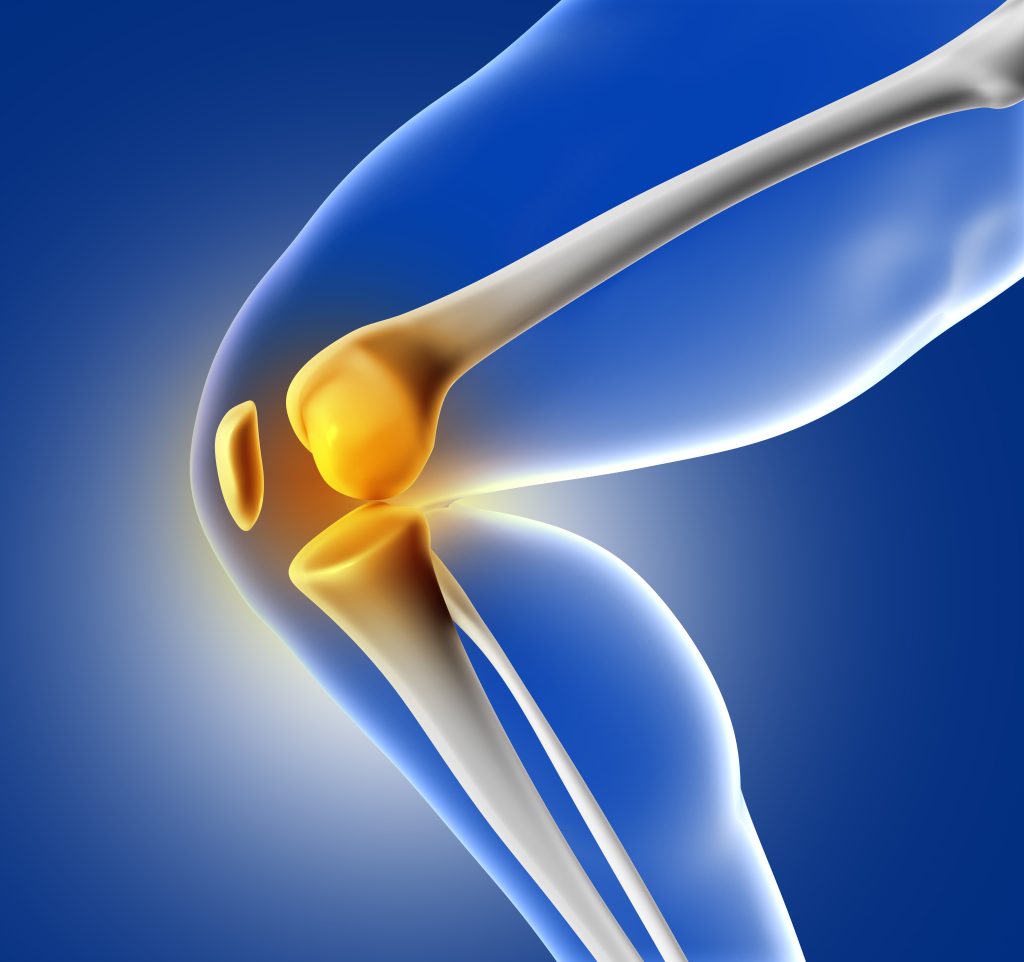
The knee joint is formed by the thigh bone (femur), shin bone (tibia), and kneecap (patella).
These bones are covered with smooth cartilage that allows painless movement. When this
cartilage wears away due to arthritis or injury, the bones rub against each other, leading to pain,
swelling, and stiffness.
Total Knee Replacement removes the damaged joint surfaces and replaces them with artificial
components designed to restore smooth and stable movement.
Common Causes of Knee Joint Damage
Several conditions can lead to severe knee degeneration requiring TKR. The most common
causes include:
- Osteoarthritis (age-related wear and tear)
- Rheumatoid arthritis
- Post-traumatic arthritis after injury
- Severe knee deformity (bow legs or knock knees)
- Advanced cartilage damage
Among these, osteoarthritis is the leading cause, especially in individuals above 55 years of
age.
Symptoms That May Indicate the Need for TKR
Knee replacement is usually considered when symptoms significantly affect daily life. Common
symptoms include:
- Persistent knee pain during walking or standing
- Pain while climbing stairs or getting up from a chair
- Stiffness, especially in the morning
- Swelling around the knee
- Reduced range of motion
- Difficulty performing routine activities
- Pain that disturbs sleep
If medications, injections, weight management, and physiotherapy no longer control the pain,
surgical treatment may be recommended.
What Happens During Total Knee Replacement?
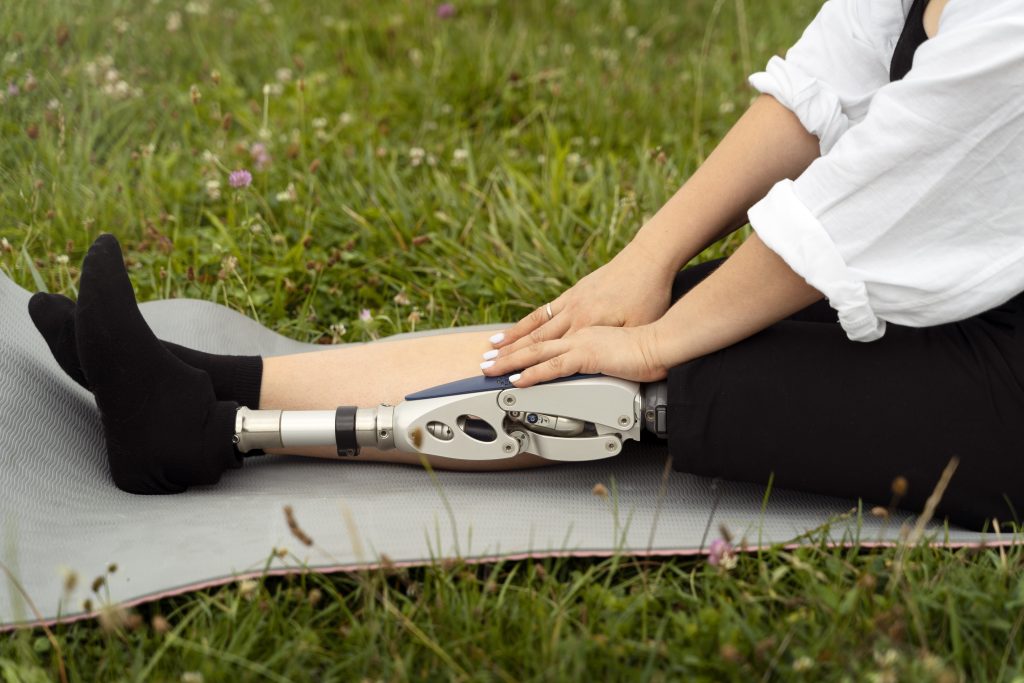
During TKR surgery, the damaged cartilage and bone surfaces are carefully removed. These
surfaces are then replaced with artificial metal and plastic components that recreate the natural
knee joint structure.
The procedure generally takes about 1–2 hours and is performed under spinal or general
anesthesia. Modern surgical techniques focus on accurate alignment, minimal tissue damage,
and faster recovery.
The artificial joint is designed to move smoothly, reduce pain, and improve stability.
Benefits of Total Knee Replacement
Total Knee Replacement is one of the most reliable orthopedic procedures. Most patients
experience:
- Significant reduction in knee pain
- Improved ability to walk and climb stairs
- Better joint movement
- Improved sleep and daily comfort
- Enhanced overall quality of life
Modern knee implants are durable and can last 15–20 years or longer with proper care.
Recovery After Total Knee Replacement
Recovery begins soon after surgery. Patients are usually encouraged to stand and take a few
steps within a day.
In the early weeks:
- Walking support (walker or stick) may be needed
- Swelling and mild discomfort are expected
- Gradual increase in activity is encouraged
Most patients resume routine daily activities within 4–6 weeks, while full recovery may take
around 3 months or more. Following the surgeon’s advice is essential to ensure proper healing.
Physiotherapy After Total Knee
Replacement
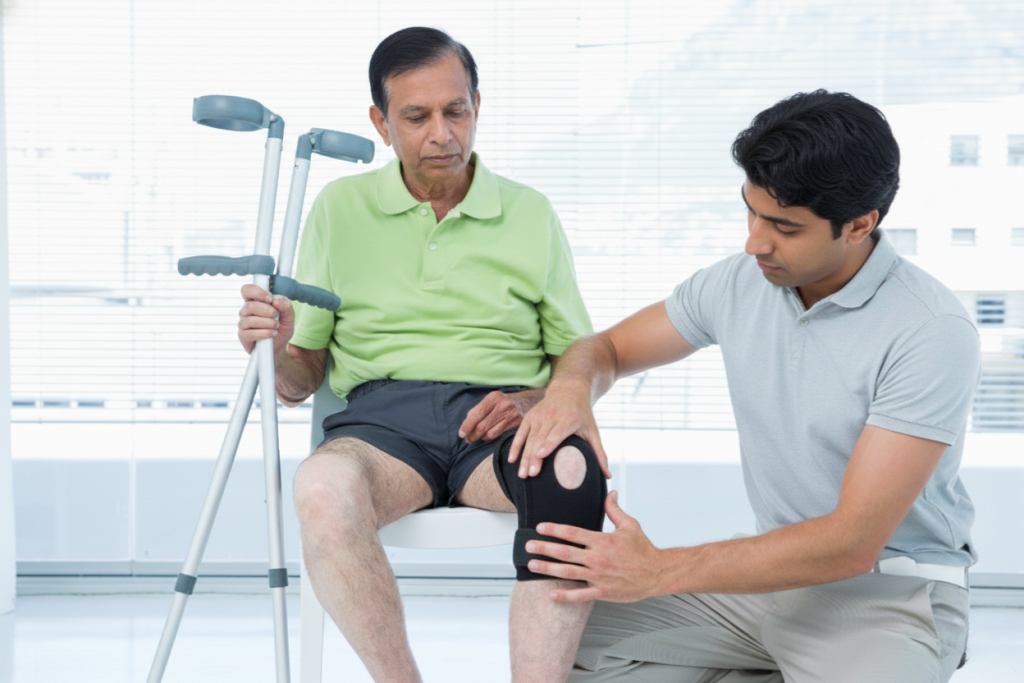
Physiotherapy plays an important role in regaining knee strength and flexibility after TKR.
Rehabilitation begins early, focusing first on improving range of motion and preventing stiffness.
Gradually, strengthening exercises are introduced to rebuild muscle support around the knee
and improve walking ability.
Patients who consistently follow rehabilitation programs generally achieve excellent functional
recovery.
Long-Term Outlook
Total Knee Replacement provides long-lasting pain relief and significantly improves mobility.
With proper weight management, regular follow-up visits, and an active but joint-friendly
lifestyle, patients can enjoy improved comfort for many years.
If knee pain is limiting your movement and affecting your quality of life, consulting an orthopedic
specialist can help determine whether Total Knee Replacement is the right solution.