
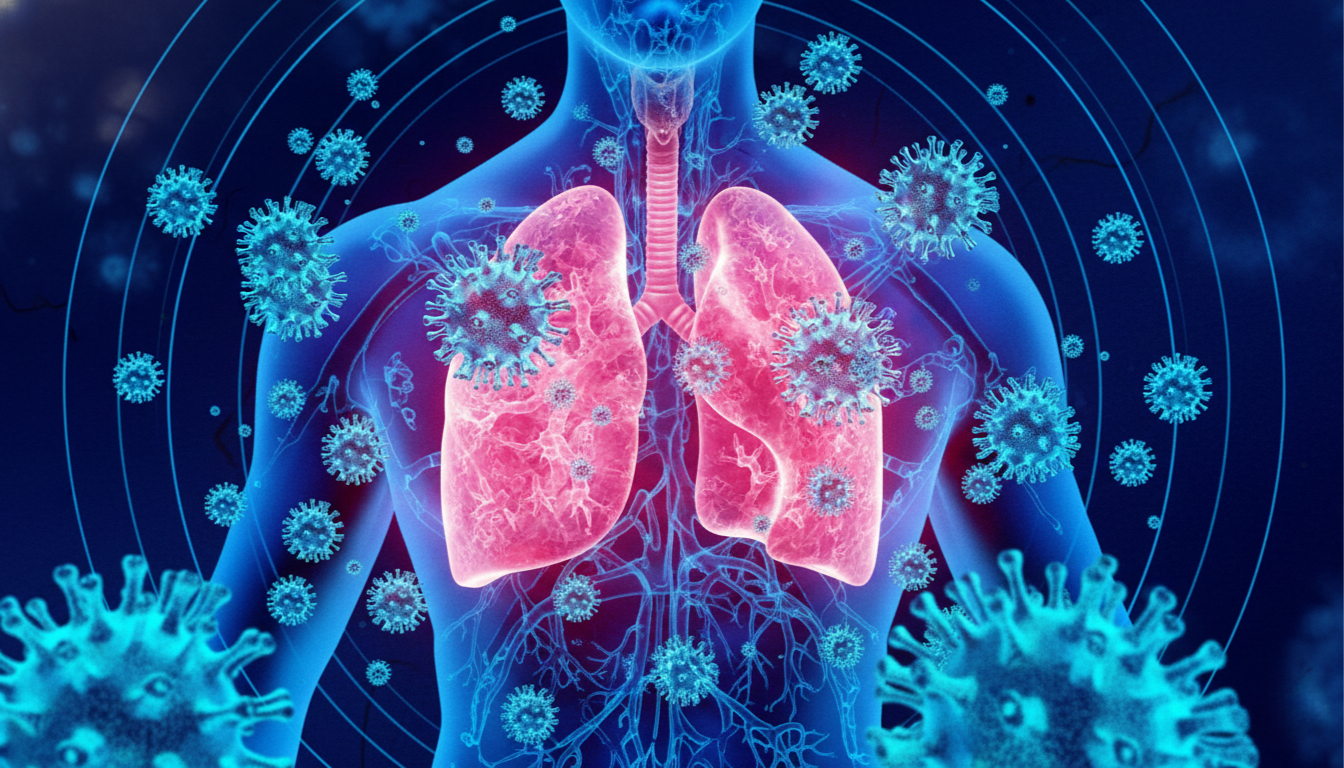
Lung infections are one of the most common health issues seen across all age groups. From a simple cold progressing to a chest infection, to more serious illnesses like pneumonia, lung infections can affect anyone – especially during seasonal changes, pollution spikes, or when immunity is low.
But what actually causes these infections? Why do some people catch them repeatedly while others recover quickly? This guide explains the real reasons behind lung infections, early symptoms to watch out for, and steps you can take to protect your lungs.
What Is a Lung Infection?
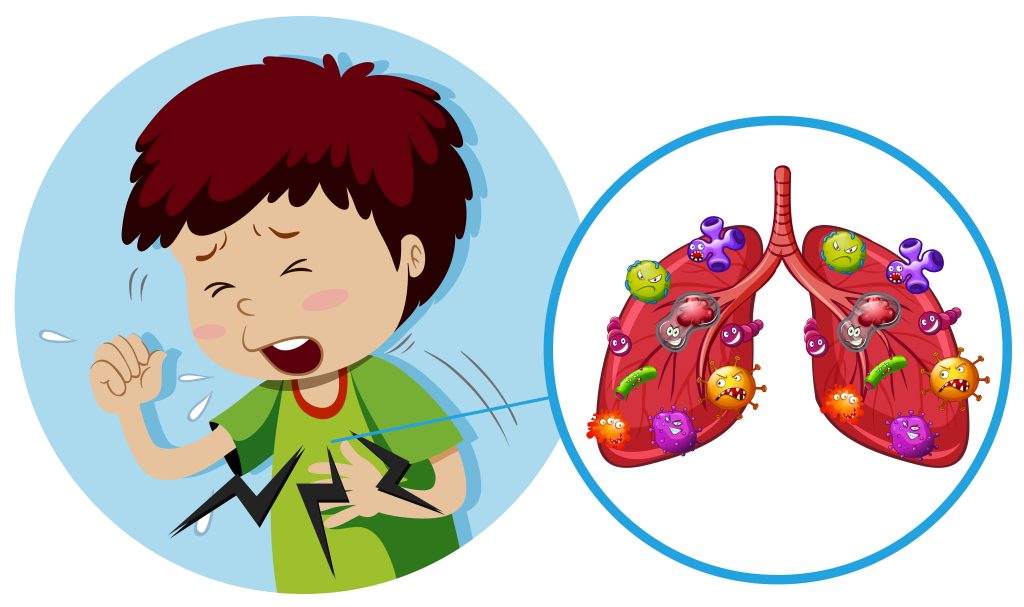
A lung infection happens when harmful germs enter the lungs and trigger inflammation. This affects normal airflow and oxygen exchange, leading to difficulty in breathing, cough and fever.
Lung infections can affect:
- The airways (bronchitis)
- The air sacs (pneumonia)
- The small breathing tubes (bronchiolitis)
Some infections are mild, while others can become severe if not treated early – especially in older adults, children and people with chronic lung disease.
What Really Causes Lung Infections?
1. Viruses – The Most Common Culprit
Most lung infections begin with a viral illness. Cold viruses, influenza and RSV infect the upper airway first and then travel deeper into the lungs if immunity is low.
You may notice:
- Sudden fever
- Body aches
- Cough
- Sore throat
- Blocked nose
Viral infections spread quickly through droplets, making them very common in winter and during weather changes.
2. Bacterial Infections – Often More Severe
Bacteria can cause a lung infection directly or follow a viral illness.
This is why some people start with a cold but then develop pneumonia in a few days.
Common bacteria include:
- Streptococcus pneumoniae
- Mycoplasma pneumoniae
- Staphylococcus aureus
Bacterial infections usually need antibiotics and timely treatment.
3. Fungal Infections – Seen in People With Weak Immunity
Fungal lung infections are less common but can occur in people with:
- Diabetes
- Long-term steroid use
- Cancer treatment
- Immunosuppressive medication
- Chronic lung disease
Dusty environments and contaminated soil can also trigger fungal infections.
4. Weather Fluctuations & Seasonal Changes
Sudden temperature changes – particularly between warm days and cold evenings – irritate the airways and reduce their natural defence. This makes the lungs more vulnerable to infections, especially viral and allergic ones.
5. Pollution & Poor Air Quality
Dust, smoke, chemicals and vehicle pollution inflame the airways and weaken lung immunity. Long-term exposure increases the risk of chronic bronchitis, asthma flare-ups and lung infections.
Bangalore’s pollution levels during winter and peak traffic hours make this even more relevant.
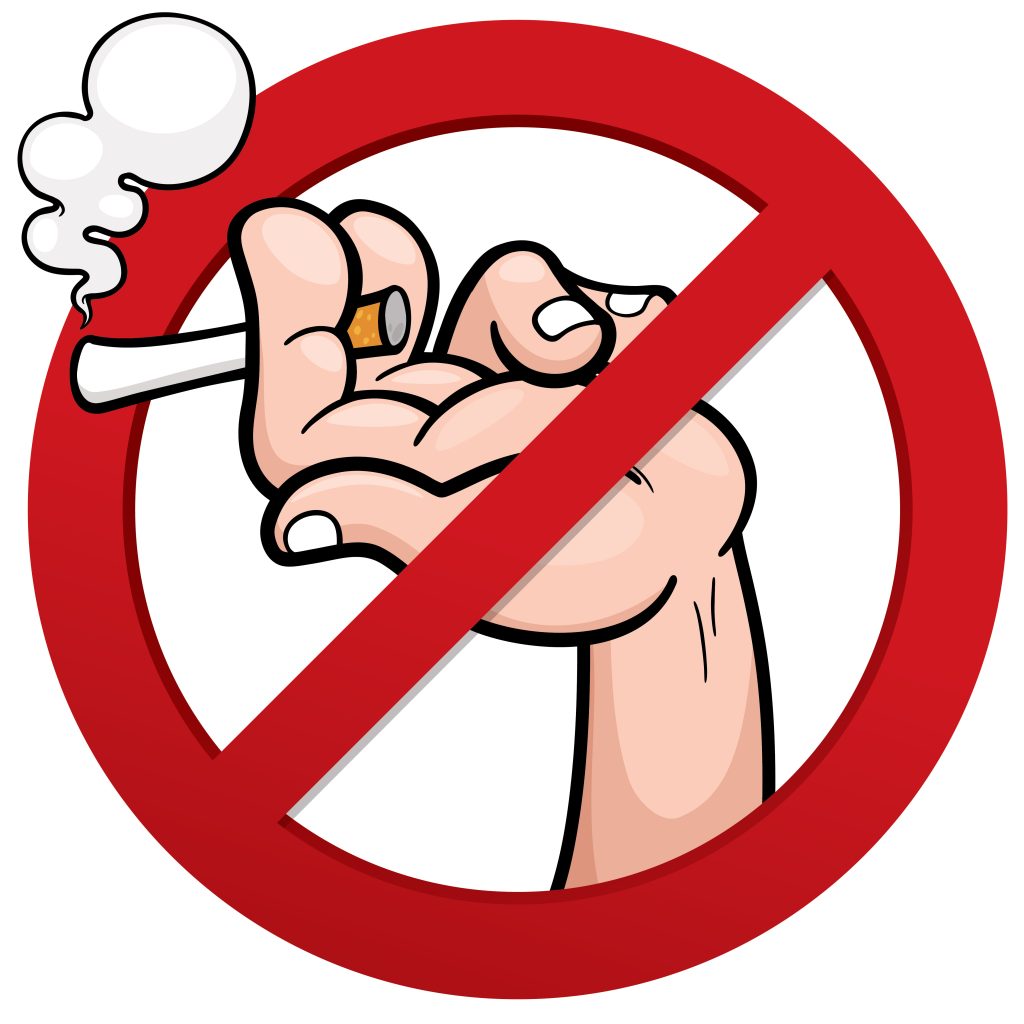
6. Smoking & Passive Smoke
Smoking damages the lung’s protective lining, destroys cilia (the structures that clear mucus) and allows germs to stay longer in the lungs.
This increases the risk of:
- Chronic cough
- Recurrent bronchitis
- COPD flare-ups
- Pneumonia
Even passive smoke affects children and non-smokers in the home.
7. Existing Respiratory Conditions
People with asthma, COPD, bronchiectasis or sinus allergies often have inflamed or sensitive airways. This makes it easier for infections to take hold and harder for the lungs to clear germs naturally.
What Symptoms Should You Look Out For?
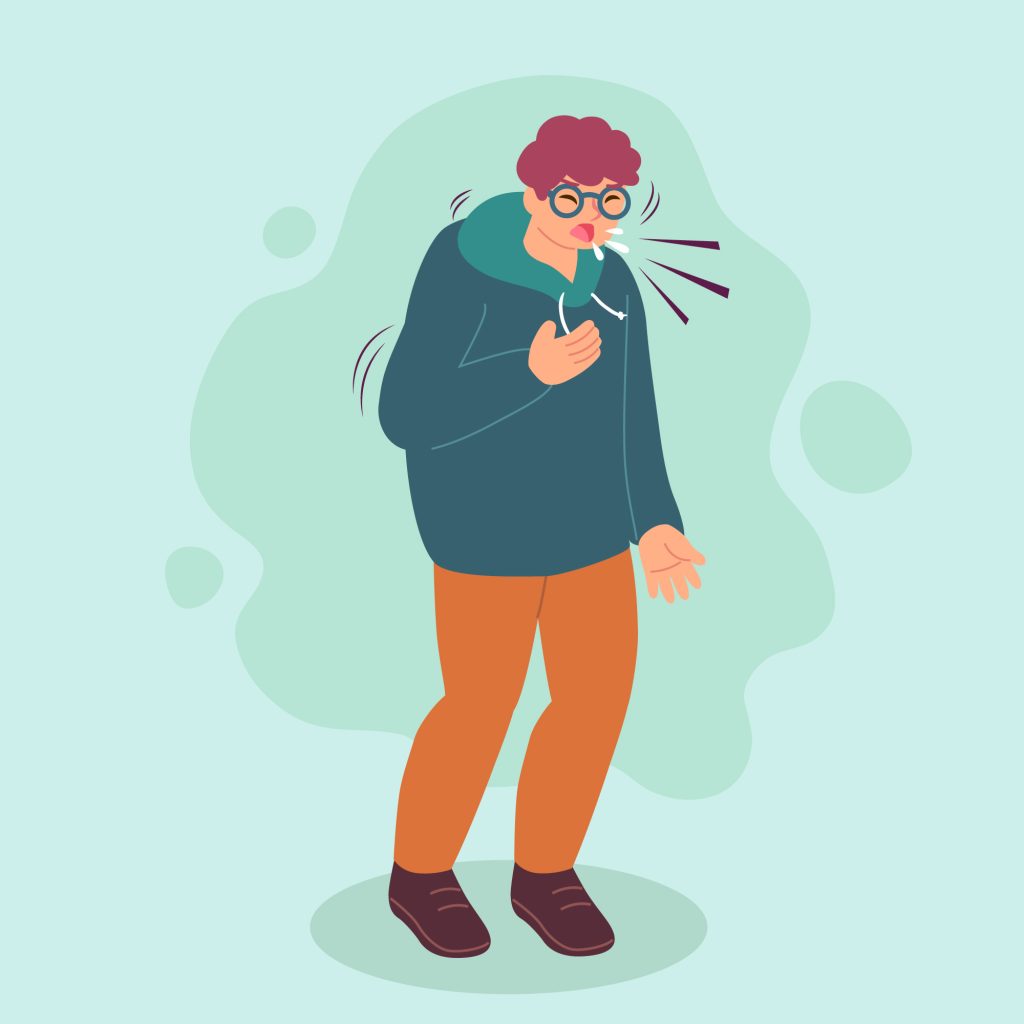
Lung infections can show up differently depending on the cause, but common symptoms include:
- Persistent cough (dry or with mucus)
- Fever or chills
- Shortness of breath
- Wheezing
- Chest tightness
- Fatigue
- Thick or discolored phlegm
- Rapid breathing
- Pain while breathing
- Loss of appetite
- Crackling sound in the lungs
Symptoms may worsen quickly in elderly individuals or those with chronic lung conditions.
Who Is at Higher Risk for Lung Infections?
People are more vulnerable if they have:
- Low immunity
- Diabetes
- Heart or kidney disease
- Asthma or COPD
- History of smoking
- Exposure to pollution
- Recurrent sinus problems
- Winter sensitivity
- Poor nutrition
Children and older adults are also more prone to severe infections.
How to Prevent Lung Infections
1. Maintain Good Hygiene
Wash hands regularly, use sanitizers when outside and avoid touching your face frequently.
2. Strengthen Your Immunity
Include fruits, vegetables, protein, vitamin C, zinc and warm fluids in your diet. Adequate sleep and hydration also help strengthen immunity.
3. Protect Yourself From Pollution
Wear a mask in high-traffic areas and keep your home dust-free.
4. Get Vaccinated
Flu shots and pneumonia vaccines significantly reduce the risk of severe lung infections – especially in older adults and those with chronic illnesses.
5. Avoid Smoking
Quit smoking and keep your home free from second-hand smoke.
6. Manage Chronic Lung Conditions
Follow your inhaler schedule and treatment plan if you have asthma or COPD.
7. Seek Early Treatment
Don’t ignore a cough that lasts more than a week or breathlessness that keeps worsening.
When to See a Pulmonologist
Visit a lung specialist if you experience:
- Persistent cough
- Difficulty breathing
- High or prolonged fever
- Severe chest congestion
- Cough with blood
- Repeated infections
- Symptoms that worsen every season
Early diagnosis prevents complications like severe pneumonia, respiratory distress or long-term lung damage.
Expert Lung Infection Care at Vasavi Hospitals
Vasavi Hospitals offers advanced diagnostics, expert pulmonologists and comprehensive care for all types of lung infections. Whether it’s a simple viral infection or a more severe chest condition, our team provides timely guidance and personalized treatment to help you breathe easier and recover faster.
Call Us: 080-71 500 500