
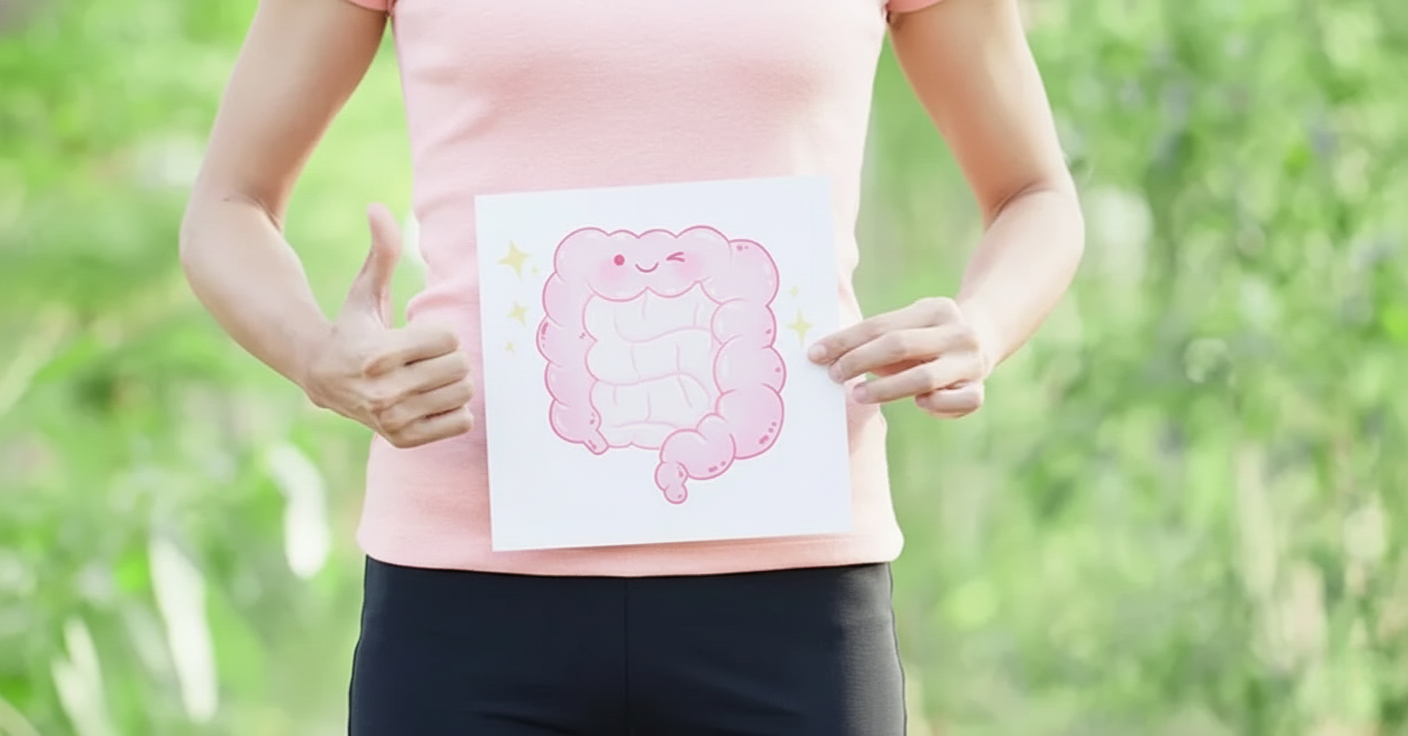
Constipation is one of the most common digestive issues in India, yet it remains a topic people hesitate to talk about. During winter, many individuals notice their symptoms becoming more frequent or more difficult to manage. This happens due to a combination of lifestyle changes, colder temperatures, and natural changes in the body’s metabolism.
Constipation Awareness Month is an opportunity to highlight why maintaining gut health is essential and how small habits during winter can make a big difference.
Why Constipation Increases During Winter
1. Reduced Water Intake
Cold weather naturally suppresses thirst. Even when the body needs hydration, you may not feel the urge to drink water. This leads to dry, hard stools and makes bowel movements more difficult.
2. Lower Physical Activity
People tend to stay indoors during winter and move less. Physical movement stimulates the digestive tract, and reduced activity slows down bowel function.
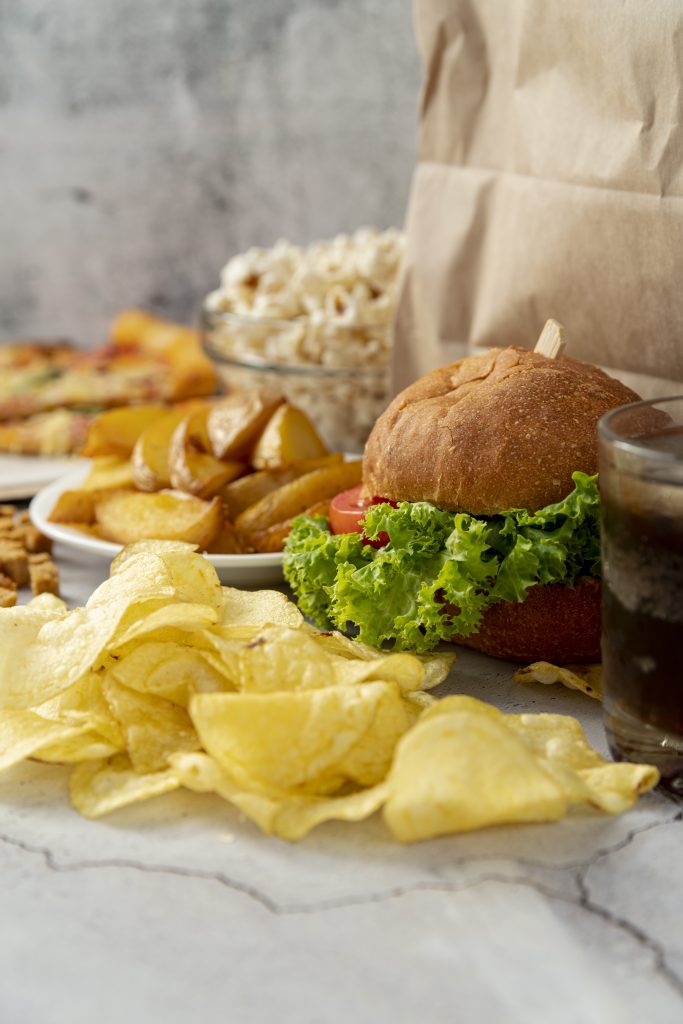
3. Heavier, Low-Fiber Diets
Winter cravings often lean toward fried foods, sweets and refined snacks. These foods lack fibre, which is essential for smooth bowel movements.
4. Slower Digestion
Cold temperatures can slow metabolic activity. A slower gut means food moves through the intestine more slowly, increasing the risk of constipation.
5. Ignoring the Morning Urge
Cold mornings make many people delay going to the washroom. Repeatedly ignoring the natural urge can disrupt bowel rhythm over time.
Types of Constipation
Constipation is not the same for everyone. It can appear in various forms depending on the cause and duration.
| Type | Description | Common Causes |
| Acute Constipation | Short-term constipation linked to sudden changes. | Travel, dehydration, change in routine. |
| Chronic Constipation | Long-lasting constipation for weeks or months. | Low fibre diet, sedentary lifestyle, health conditions. |
| Functional Constipation | Occurs without a clear medical reason. | Low fibre, low water intake, ignoring urges. |
| Slow-Transit Constipation | Stool moves very slowly through the colon. | Weak muscle activity, neurological conditions. |
| Outlet Dysfunction Constipation | Difficulty pushing stool out. | Pelvic floor problems, rectal prolapse. |
| Secondary Constipation | Caused by a medical condition or medication. | Hypothyroidism, diabetes, opioid painkillers. |
Symptoms You Should Not Ignore
- Hard, dry or lumpy stools
- Less than three bowel movements per week
- Straining while passing stool
- Bloating, heaviness or abdominal discomfort
- A feeling of incomplete evacuation
- Reduced appetite
- Fatigue or irritability
If these symptoms continue despite lifestyle adjustments, medical evaluation is important.
Common Causes of Constipation

- Low fibre intake
- Dehydration
- Lack of movement
- Stress and irregular routines
- Hypothyroidism, diabetes, IBS
- Iron supplements, antidepressants, painkillers
- Pregnancy
- Age-related slowing of digestion
What Happens If Constipation Is Left Untreated?
Ignoring constipation for a long time can lead to complications. Early attention helps prevent these discomforts.
| Complication | Description | Impact |
| Haemorrhoids | Swollen veins due to straining. | Pain, itching, rectal bleeding. |
| Anal Fissures | Small tears due to hard stools. | Sharp pain, bleeding, infection risk. |
| Faecal Impaction | Stool becomes stuck in the colon. | Severe pain, inability to pass stool, medical treatment required. |
| Rectal Prolapse | Rectum slips outside anus due to strain. | Discomfort, infections, difficulty passing stool. |
| Digestive Discomfort | Persistent bloating and nausea. | Affects appetite and daily routine. |
| Systemic Issues | Toxin buildup from retained stool. | Fatigue, headaches, general discomfort. |
| Psychological Impact | Anxiety from chronic constipation. | Decline in mental well-being. |
How to Prevent Constipation in Winter
Stay hydrated
Drink warm water, soups, or herbal teas throughout the day.
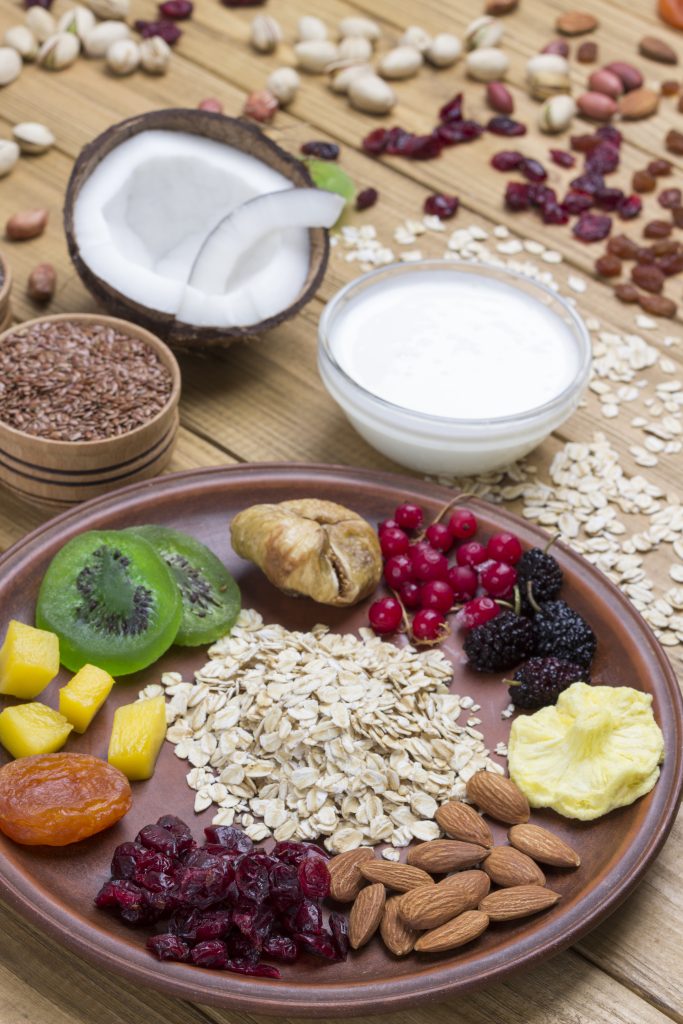
Add fibre to your meals
Eat vegetables, fruits, whole grains, nuts, seeds, millets, and legumes.
Keep moving
Walk, stretch, or do light indoor exercises daily.
Maintain a bathroom routine
Try not to delay your morning bowel movement.
Eat mindfully
Limit fried snacks, refined carbs, and sweets during winter.
Support gut health
Include curd, buttermilk, or probiotic-rich foods.
Manage stress
Relaxation techniques can improve bowel function.
When Should You Consult a Doctor?
Seek medical help if you notice:
- Symptoms lasting longer than 2–3 weeks
- Blood in stools
- Severe abdominal pain
- Inability to pass stool despite urge
- Sudden changes in bowel habits
- Unexplained weight loss
- Recurrent constipation
These signs may indicate an underlying condition needing professional attention.
Digestive Care at Vasavi Hospitals
Constipation is a common but often underestimated health concern that can affect comfort, energy levels, and overall quality of life. With the right awareness, simple lifestyle changes, and timely medical support, it is absolutely possible to manage and overcome constipation – and protect your long-term gut health.
At Vasavi Hospitals, your well-being is our priority. If you’re experiencing persistent, severe, or recurrent constipation, our experienced gastroenterologists are here to help. With advanced diagnostics and compassionate, personalised care, we ensure effective treatment for all your digestive health needs.
Book an appointment today and take the first step towards a healthier gut and a healthier you.
Call Us: 080-71 500 500